
services
Full tilt services
News
about
About full tilt logistics
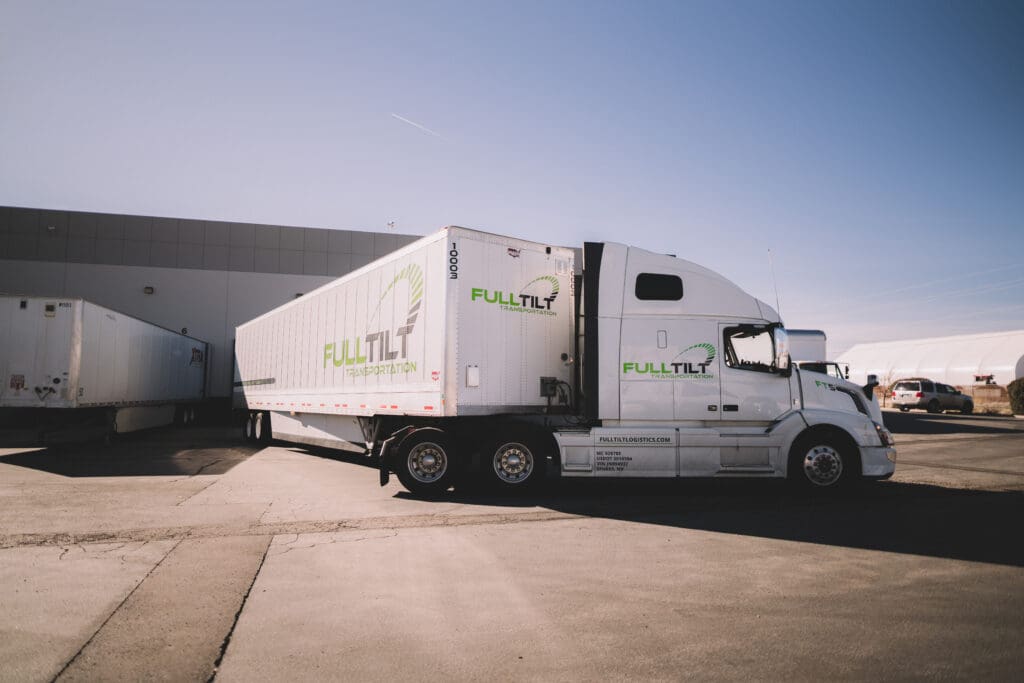
Freight costs are up. Customer expectations aren't going anywhere. And somehow you're supposed to move faster while spending less.
If you've been feeling that pressure lately, you're not alone. It's one of the most common conversations we have with supply chain managers right now. And the frustrating part is that a lot of the overspending isn't obvious. It hides in habits, default settings, and processes nobody has questioned in a while.
Here's what we've seen actually work.
This one sounds almost too simple, but it makes a real difference.
A lot of companies default to expedited shipping on loads that honestly don't need it. It becomes a habit. The timeline feels tight, someone clicks the fast option, and nobody questions it. Do that enough times across enough lanes and you're burning serious money on speed that isn't adding any value.
Pull a few months of shipping data and look at your delivery timelines versus your actual customer requirements. You'll almost always find lanes where standard LTL or FTL would have worked just fine. That's money you can stop spending pretty quickly.
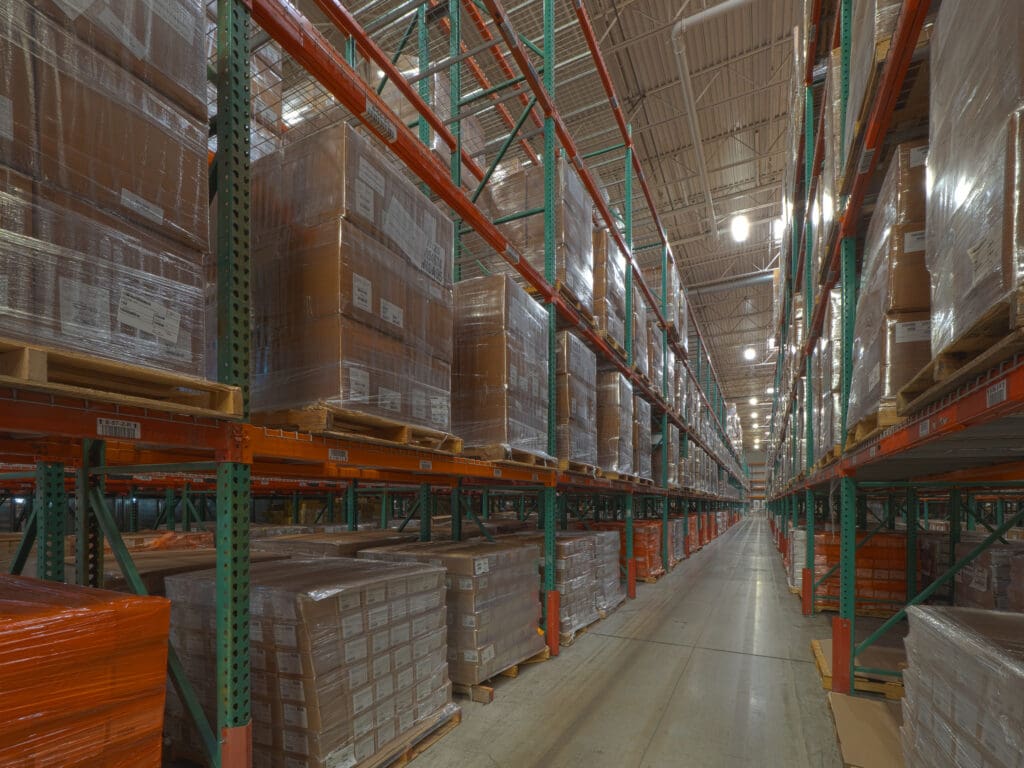
Shipping smaller loads separately costs more than consolidating them. Every time. More moves means more handling, more risk of damage, and a higher bill at the end of the month.
Here's how we make consolidation work for our customers. We warehouse freight in Reno until there's enough volume heading the same direction to move as one load. Rather than pushing freight out the door before it's ready just to hit an arbitrary schedule, we hold it, build the load properly, and move it when it makes financial sense to do so. That approach alone can meaningfully reduce what our customers pay per unit shipped.
Reno's location is a big part of why this works so well. Our warehouse can reach the 11 western states within 24 hours, which means consolidated freight moves fast once it's ready to go. You're not giving up speed to save money. You're getting both.
If you're shipping regionally or moving freight across the country on a regular basis, consolidation through our Reno warehouse is worth a conversation.
The savings aren't marginal either. Combining loads reduces your cost per unit, cuts down on handling touchpoints, and makes delivery scheduling a lot more predictable.
Carriers don't just charge by weight. Dimensional weight and space utilization factor into pricing too, which means a shipment that's light but takes up a lot of trailer space can get expensive fast.
This is something we've seen play out firsthand. We worked with one of our warehouse and freight customers to completely rethink how their product was being packaged. By partnering with Ernest Packaging here in Reno, we were able to redesign their packaging so more units fit on each pallet and freight moved through the system more efficiently. Less wasted space, easier to handle, and a lower cost per shipment.
It's not always the first thing supply chain managers think about when they're looking to cut freight costs, but packaging changes can be some of the quickest wins available. And when you're running volume through a warehouse regularly, those wins add up fast.
If your current broker is just executing loads and sending invoices, you're not getting what you should be getting.
One of the realities of freight is that carriers fail. Trucking companies shut down with little to no warning, and when that happens, shippers are left scrambling with freight that needs to move and no one to move it. We get those calls regularly. A customer's carrier has fallen through, the load is sitting there, and they need someone to fix it fast. We've stepped in and sourced same-day coverage in situations that looked pretty hopeless on the surface. That's not something you get from a broker who treats every load as a transaction.
What that takes on our end is dedicated account reps who actually know your freight, proactive communication so you're never guessing where your shipment is, and someone available around the clock when things go sideways. We flag potential issues before they turn into problems, and when problems do happen anyway, we're already working on the solution before you've finished explaining the situation.
The difference between a reactive logistics operation and a proactive one usually comes down to the partner in the middle. If you're not getting that kind of support from whoever is handling your freight right now, Full Tilt Logistics is worth a call.
Most companies aren't looking at their freight spend closely enough. Not because they don't care, but because nobody has set up the habit of reviewing it regularly and the data is sitting there not telling anyone anything.
When customers ask us to dig into their numbers, we pull together freight spend summaries, lane analysis, and cost saving recommendations internally. It's not an automated dashboard, it's an actual person looking at your freight and telling you what they see. That means the recommendations are specific to your operation, not generic advice that could apply to anyone.
What we consistently find when we do these reviews is that there are lanes where customers are overpaying, seasonal patterns they haven't accounted for in their planning, and mode choices that made sense at some point but don't anymore. None of that is obvious until someone actually looks.
If you haven't reviewed your freight spend in the last six months, that's probably the first conversation worth having. Just ask and we can take a look.
More lead time almost always means better options. Better rates, more carrier availability, and a lot less stress on your end. When you can give us advance notice on a shipment, we can be more strategic about how we move it, which usually translates directly to cost savings.
That said, we also know that freight doesn't always cooperate with the plan. Timelines slip, orders come in late, and sometimes you just need something moved right now. That's not a problem for us.
Our 24/7 brokerage and extensive carrier network means we can step in and cover last-minute moves when you need it. We've done it plenty of times before and we'll do it again. So while we'd always encourage building more runway into your shipping process when you can, if you find yourself in a tough spot, just call us. We're happy to help.
Bad habits, default service levels that haven't been questioned, packaging that hasn't been optimized, and not enough lead time. Fix those things and you'll see the difference on your freight bill without having to overhaul your entire operation.
Supply chain managers who take a hard look at these areas consistently find savings they didn't know were sitting there. The freight market is tough right now, but there's usually more room to improve than it initially looks like.
What's the quickest way to reduce freight costs? Start with a shipping audit. Look at the last three to six months of data and check whether you're consistently over-prioritizing speed on lanes that don't need it. That's usually where the fastest savings show up.
Does freight consolidation make sense for smaller shippers? It can, especially on regional lanes. If you're shipping to the same areas regularly, there's usually an opportunity to combine loads and bring your cost per unit down.
How does a 3PL actually help reduce freight costs? Carrier relationships, routing tools, and market visibility are the big ones. A good 3PL can access rates and options that most individual shippers can't get on their own, and they can spot inefficiencies in your current setup that are costing you money.
How much does packaging really affect freight pricing? More than most people expect. Dimensional weight pricing means that a shipment taking up more trailer space than it needs to can cost significantly more. Small improvements in palletization can make a noticeable difference over time.
Full Tilt Logistics works with manufacturers, distributors, and project teams across the U.S. and Canada. We focus on transportation optimization, freight consolidation, regional warehousing, and direct-to-site delivery. Our Reno warehouse can reach all 11 western states within 24 hours, and our nationwide carrier network keeps things moving everywhere else.
If you want a second set of eyes on your freight strategy or just want to know where your shipping dollars are going, we're easy to reach.
Call us at 775-300-6050, contact our team, or request a quote.