services
Full tilt services
News
about
About full tilt logistics
When you're moving a few loads a month, logistics can often be managed with a handful of carrier relationships and a spreadsheet.
When you're moving hundreds of loads, managing multiple lanes, coordinating warehouses, and dealing with fluctuating demand, it becomes a very different operation.
For high-volume shippers, logistics isn't simply about finding a truck. It's about having the capacity, infrastructure, visibility, and expertise to keep freight moving consistently — even when conditions change.
That's where the right third-party logistics (3PL) partner can make a difference.
But not every 3PL is built to support high-volume shippers. Before choosing a logistics partner, here are several things to consider.
For a high-volume shipper, capacity can't be an afterthought.
A logistics partner should have access to a broad network of equipment and transportation providers, allowing them to support your freight when demand increases, capacity tightens, or a regular carrier isn't available.
Ask potential 3PL partners:
The goal isn't simply to find someone who can cover today's shipment. It's finding a partner capable of supporting your operation tomorrow, next month, and when volume unexpectedly spikes.
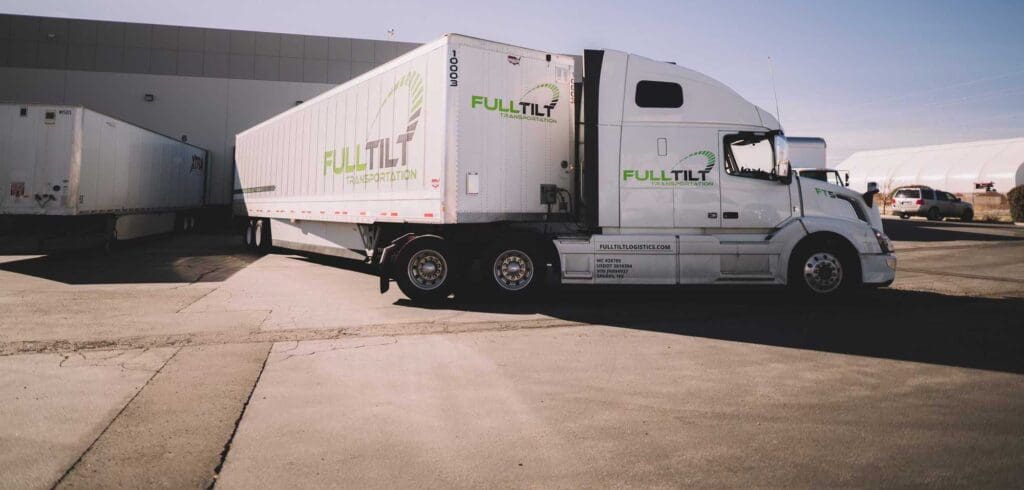
High-volume shipping creates a lot of data.
Every lane, carrier, shipment, accessorial charge, delay, and delivery provides information that can be used to improve your transportation strategy.
A strong 3PL should be able to look beyond individual shipments and help identify opportunities across your network.
That could mean analyzing:
Instead of constantly asking, "Who can move this load?", the conversation becomes, "How can we move this entire network more efficiently?"
That's a much more valuable relationship.
High-volume shippers rarely operate at exactly the same volume every week.
Projects start. New customers come online. Production increases. Seasonal demand hits. A major shipment needs to move immediately.
Your logistics partner needs to be able to scale with you.
That means having the resources to support both your normal freight volume and the periods when your operation suddenly requires significantly more capacity.
A good 3PL should be able to adapt without forcing your team to rebuild the transportation strategy every time your needs change.
Scalability should be part of the relationship from day one — not something you discover you need when you're already in a capacity crunch.
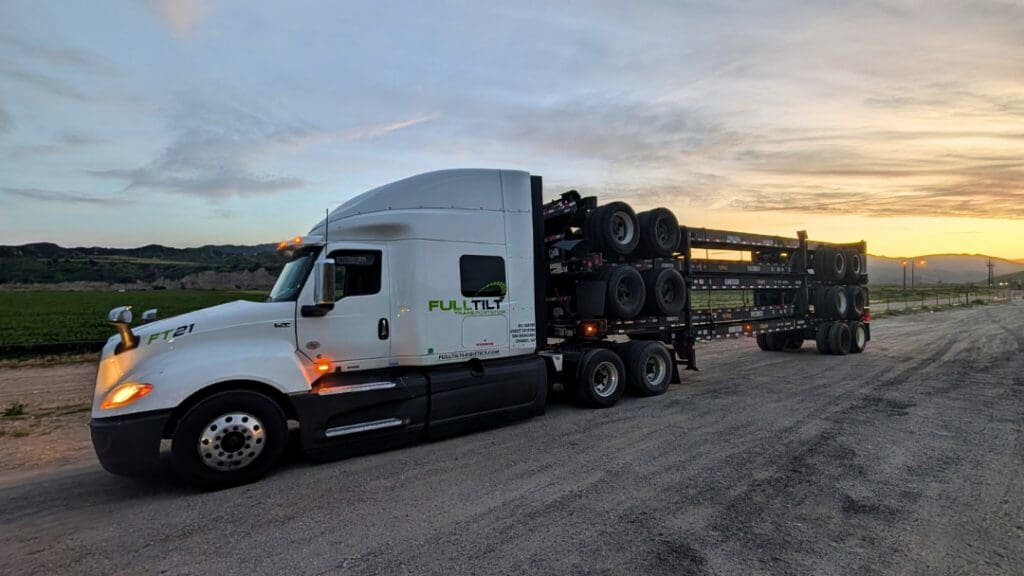
Your freight shouldn't have to fit into one transportation model.
Depending on the shipment, you may need dry vans, flatbeds, straight trucks, sprinter vans, specialized equipment, drayage, or project transportation.
A 3PL that can support multiple modes and equipment types gives high-volume shippers more flexibility.
This becomes especially important for companies moving a mix of standard freight and specialized or project cargo.
Rather than coordinating several providers for different transportation needs, a broader logistics partner can help centralize those requirements and simplify communication.
For many high-volume shippers, transportation doesn't operate independently from warehousing.
Freight may need to be stored, staged, transloaded, consolidated, repacked, or distributed before reaching its final destination.
That's why it's worth evaluating a 3PL's warehousing capabilities alongside its transportation services.
Look for a partner that can connect the two.
For example, a shipment arriving at a warehouse may need to be:
Received → Stored → Picked → Staged → Loaded → Delivered
When transportation and warehousing are coordinated under one logistics strategy, there are fewer handoffs and fewer opportunities for communication gaps.
At high volumes, visibility becomes increasingly important.
Your team shouldn't have to chase down updates across dozens of emails and phone calls just to determine where a shipment stands.
Ask a prospective 3PL what technology they use to provide visibility into your freight and whether they can integrate with your existing systems.
Depending on your operation, that may include:
The technology doesn't need to be flashy. It needs to give your team useful information when they need it.
Technology is important. So is having a person who answers the phone.
When you're moving significant freight volumes, issues are inevitable. A truck will be delayed. A delivery appointment will change. A shipment will require special handling.
When that happens, you want to know who is responsible for helping solve the problem.
A good 3PL relationship should combine technology with human communication.
You shouldn't have to explain your business from scratch every time something goes wrong.
Every industry has its own logistics challenges.
A manufacturer may have recurring inbound and outbound freight. A mining company may need specialized equipment and remote deliveries. An energy company may be coordinating large-scale project shipments. A distributor may be balancing inventory and transportation across multiple markets.
Look for a 3PL that understands the realities of your freight — not simply one that can provide a truck.
The more familiar your logistics partner is with your industry, equipment, timelines, and operational requirements, the more effectively they can anticipate challenges instead of simply reacting to them.
Ultimately, the biggest question to ask is simple:
Can this 3PL grow with my business?
Your logistics needs today may look very different from your needs two years from now.
You may add new facilities, enter new markets, increase production, take on larger projects, or need additional warehousing capacity.
The right 3PL should be able to evolve alongside those changes.
At Full Tilt Logistics, we believe logistics should be built around the shipper — not the other way around.
Our team supports transportation, freight brokerage, warehousing, distribution, drayage, transloading, and project freight, giving shippers the flexibility to build a logistics strategy around their operation.
For high-volume shippers, that means having a partner that can help manage the big picture, while still paying attention to the individual shipment.
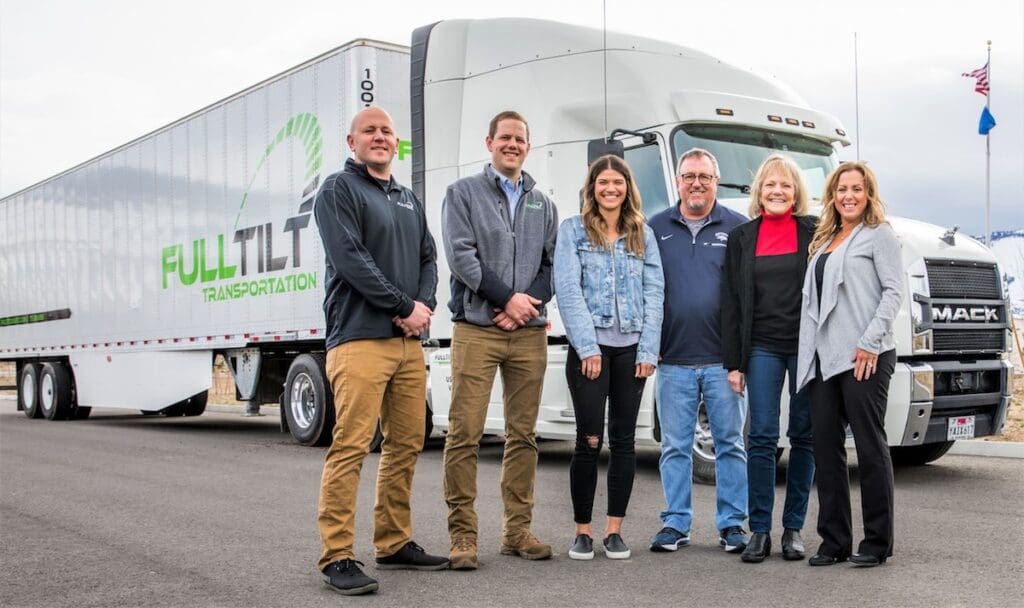
Choosing a 3PL is ultimately about more than rates.
Capacity matters. Technology matters. Warehousing matters. Industry experience matters.
But so does having a logistics partner that understands your business and can respond when things don't go according to plan.
If your team is managing a growing volume of freight, coordinating multiple providers, or spending too much time solving transportation problems shipment by shipment, it may be time to look at your logistics strategy differently.
Full Tilt Logistics helps high-volume shippers move freight with the capacity, infrastructure, and hands-on support to keep their operations moving.
Ready to talk about your freight?
Contact Full Tilt Logistics or request a quote to start the conversation.
The more information you have before scheduling transportation, the smoother your equipment move will be.
Whether you're moving an excavator across town, relocating a wheel loader to another jobsite, or shipping a crane across state lines, successful heavy equipment transportation starts long before a truck arrives.
One of the biggest misconceptions about heavy haul logistics is that the process begins with getting a quote. In reality, the planning that happens beforehand often determines whether a move stays on schedule—or becomes an expensive delay.
Before scheduling your next equipment move, here are seven questions every contractor should answer.
Weight is one of the first pieces of information your transportation provider will ask for—and one of the most important.
The operating weight determines everything from trailer selection to permit requirements. Even a few thousand pounds can change the type of equipment required for the move.
If you're unsure of the exact weight, don't guess. Manufacturer specification sheets or equipment serial numbers can usually provide accurate information.
Pro Tip: Attachments like buckets, hammers, forks, and counterweights can significantly increase transport weight.
Length, width, and height all matter.
Many contractors know their machine's operating dimensions but overlook the measurements that matter during transport.
Ask yourself:
A machine that's only a few inches wider or taller than expected can require additional permits, alternate routing, or escort vehicles.
Accurate measurements help eliminate surprises before loading day.
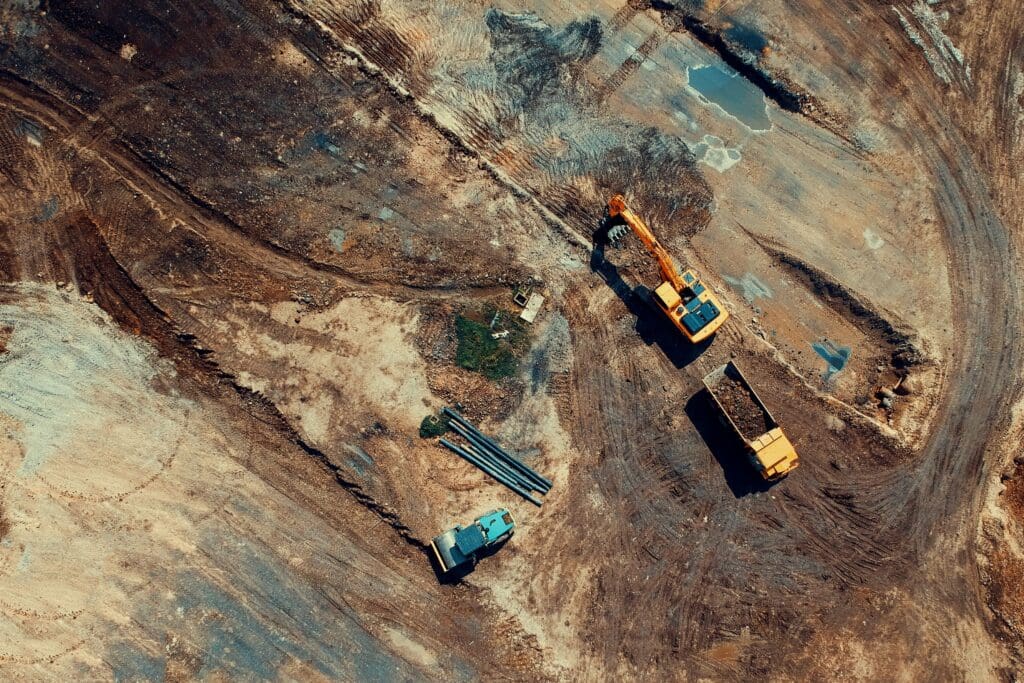
Not every machine can simply drive onto a trailer.
Understanding the loading process ahead of time helps determine which trailer is required and whether additional equipment is needed.
Some questions to consider include:
Having a loading plan in place keeps projects moving and reduces costly delays.
Transporting heavy equipment doesn't end when the truck arrives.
Construction sites present unique challenges that warehouses don't.
Before scheduling transportation, consider:
Five minutes spent planning site access can save hours on delivery day.
"ASAP" isn't always the best answer.
The goal isn't simply to deliver equipment quickly—it's to deliver it when the project is ready.
Arriving too early can create storage issues.
Arriving too late can leave crews waiting, cranes idle, and project schedules behind.
Providing realistic delivery windows allows transportation providers to coordinate permits, routing, and equipment more efficiently.
Not every piece of construction equipment qualifies as an oversize load—but many do.
Factors that influence permit requirements include:
An experienced logistics provider can determine what permits are needed, but having accurate equipment information upfront helps avoid unnecessary delays.
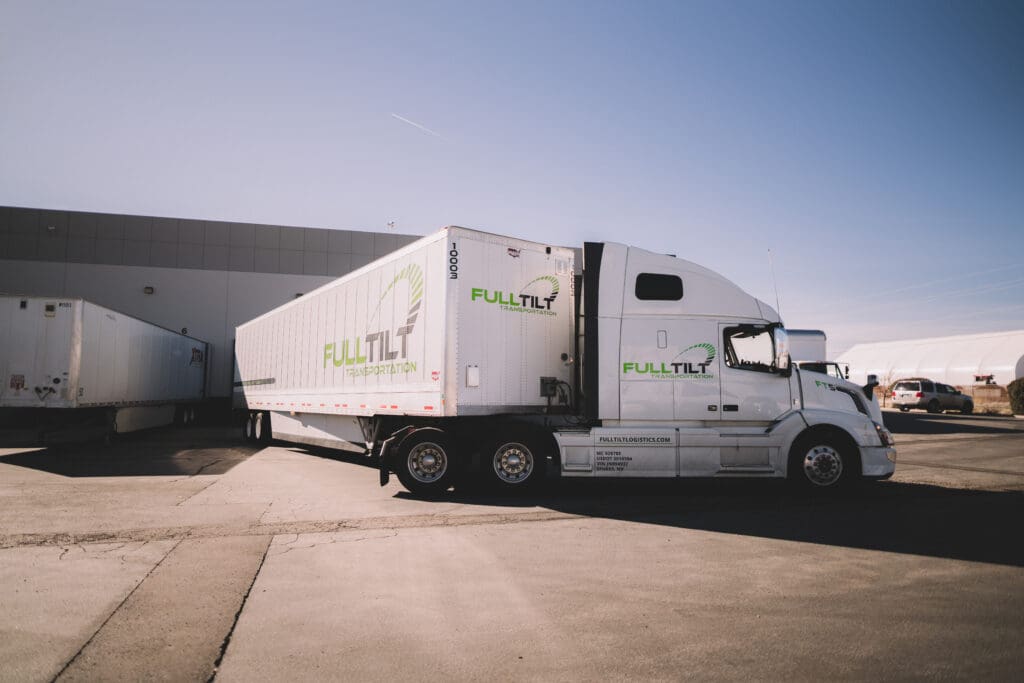
One of the fastest ways to receive an accurate transportation quote is by gathering the right information before making the call.
Having the following details available allows your logistics provider to respond more quickly:
The more complete the information, the more accurate the quote—and the fewer surprises during transport.
Heavy equipment transportation is about far more than finding an available truck.
Successful moves require planning, coordination, and clear communication between contractors, equipment owners, and transportation providers.
By answering these seven questions before scheduling transportation, you'll help reduce delays, avoid unexpected costs, and keep your project moving forward.
Whether you're relocating equipment between jobsites or coordinating deliveries for a large construction project, preparation is one of the most valuable tools you can bring to the table.
At Full Tilt Logistics, we work with contractors, equipment dealers, manufacturers, and project managers to coordinate heavy equipment transportation throughout North America. From compact equipment to oversized machinery, our team helps ensure every move is planned with safety, compliance, and efficiency in mind.
If you're planning an upcoming move, we're happy to help you determine the information you'll need before requesting a quote.
Get started today:
📞 Call us: 775-300-6050
Have questions before you're ready to book? We're happy to walk through your project and help you determine exactly what information you'll need.
In manufacturing, success doesn’t just depend on what you build - it depends on how reliably you can get it where it needs to go.
For over 50 years, Future Form Manufacturing has built a strong reputation delivering high-quality architectural and structural components to clients across the United States. As a 54-year-old company with deep roots in Northern Nevada, Future Form has long-standing relationships with organizations like the University of Nevada, Reno, and the Economic Development Authority of Western Nevada (EDAWN), reflecting its commitment to both quality and community.
As their operations have grown, so has the importance of having a logistics partner they can rely on.
That’s where Full Tilt Logistics comes in.
Future Form’s clients depend on precision - not just in manufacturing, but in delivery. Materials need to arrive on time, in excellent condition, and ready for installation.
Full Tilt Logistics supports Future Form with transportation, warehousing, and supply chain coordination, ensuring that each shipment is handled with care from origin to final delivery.
As the Future Form team puts it:
“We have great trust in Full Tilt to store, ship, and deliver on-time, and in good order, the critical components our clients depend on us for.”
That trust is built through consistent execution, clear communication, and a shared understanding of how critical each shipment is to the end customer.
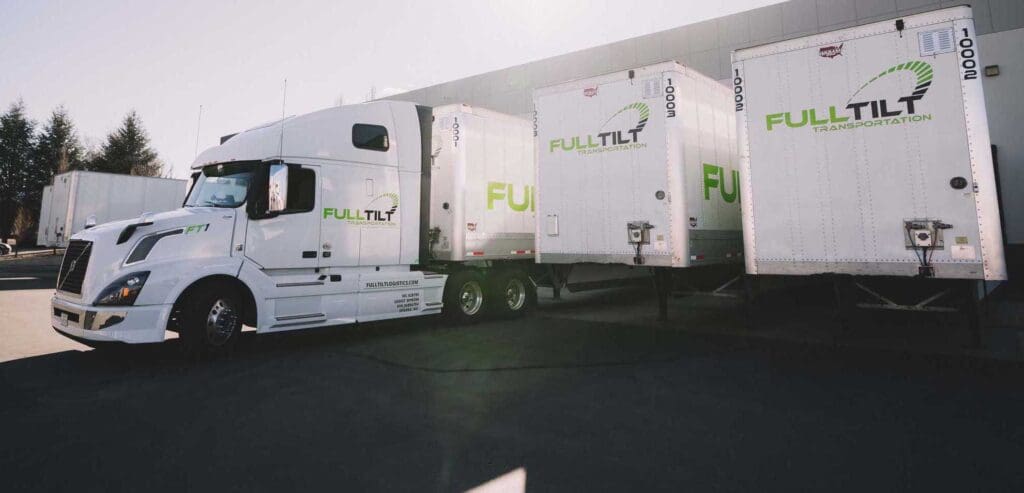
Full Tilt’s role goes beyond simply moving freight. The team works closely with Future Form to support day-to-day operations as well as long-term growth.
From staging materials in Reno to coordinating deliveries into active job sites, Full Tilt helps ensure that logistics never become a bottleneck.
Support includes:
This level of coordination allows Future Form to stay focused on production, knowing their logistics are in capable hands.
One of the ways Full Tilt Logistics supports efficient operations is through its drop trailer program. This capability allows trailers to be staged at Future Form Manufacturing facilities or job sites in advance, giving teams the flexibility to load or unload materials on their own schedule.
Instead of coordinating around live dock appointments, Future Form can keep production moving without delays tied to driver availability. Once a trailer is ready, Full Tilt retrieves it and ensures it reaches its next destination on time.
Drop trailer support helps:
This added layer of flexibility is especially valuable during high-volume periods or complex project timelines, where timing and coordination are critical.
Future Form’s long-standing presence in Northern Nevada means they have built meaningful relationships across the region over decades, including with organizations like EDAWN.
EDAWN (Economic Development Authority of Western Nevada) is a regional organization focused on helping retain and expand businesses in our community to help foster a thriving future for Nevada.
As an EDAWN Business Builder Volunteer, Full Tilt Logistics VP of Business Development, Tony Walker, noticed that Future Form’s growth presented an opportunity during a key phase in their business plan. By expanding their customer base, Tony identified that Future Form could be reclassified as a “Primary” company (51% or more of revenue generated from outside Nevada) and become eligible for incentive programs through the Governor’s Office of Economic Development (GOED) tied to reinvestment and expansion plans.
While Future Form has long-standing relationships within this ecosystem, this moment reflects how the right connections, at the right time, can help support continued growth.
At the end of the day, logistics is about execution.
It’s about showing up, meeting timelines, protecting the integrity of the product, and delivering a level of service that customers can depend on.
Full Tilt Logistics is proud to support Future Form Manufacturing as a trusted transportation partner, helping ensure their products arrive safely, on time, and ready to perform.
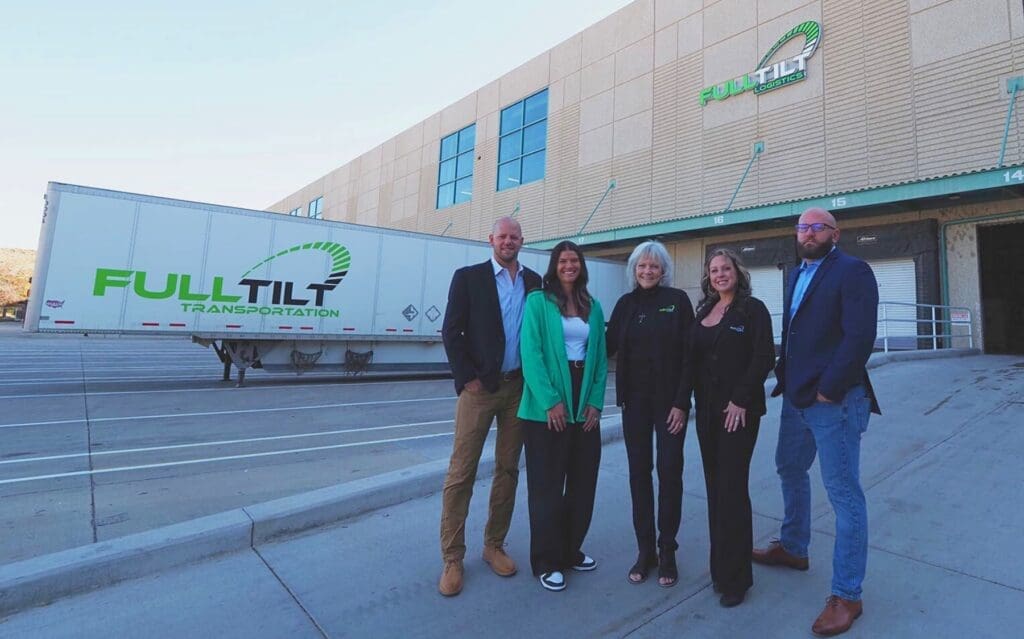
If your business depends on consistent, on-time delivery of critical materials, Full Tilt Logistics is here to help.
From warehousing and staging to transportation and project coordination, our team works alongside you to keep your operations running smoothly.
Reach out to salesteam@fulltiltlogistics.com to start the conversation.
Oversized freight, also called over-dimensional or heavy haul freight, refers to any shipment that exceeds standard legal size or weight limits for road transport.
Common examples include:
While regulations vary by state, freight is typically considered oversized if it exceeds:
Once a shipment crosses these limits, it requires special permits, routing, and coordination.
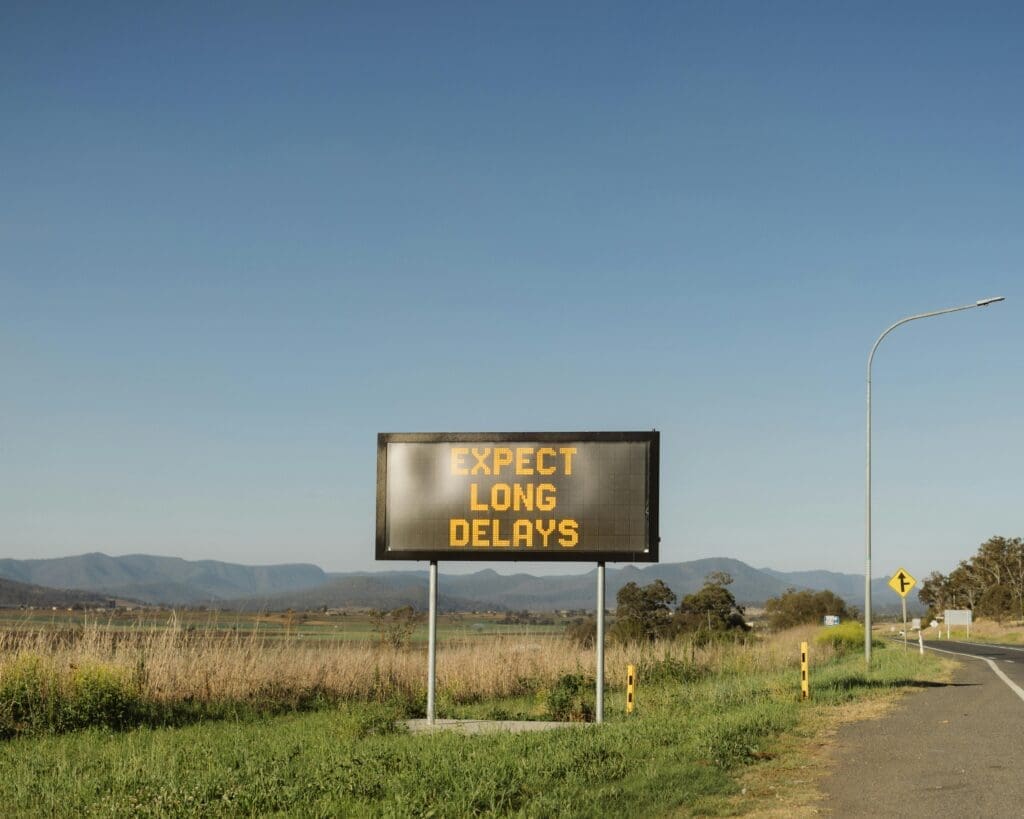
Delays in oversized freight shipping are usually preventable. Most issues come down to planning mistakes.
Each state requires its own oversized load permits. These are not transferable. Missing just one permit can stop your shipment entirely.
Not all roads are suitable for oversized loads. Low bridges, weight limits, and tight turns can force last-minute reroutes.
Depending on the size of the load, pilot cars or police escorts may be required. Failing to arrange these in advance leads to delays.
Many states limit oversized freight movement to daylight hours and restrict travel during peak traffic times.
Oversized freight shipping requires more lead time than standard loads. Permits, equipment, and routing can take days or even weeks to coordinate, especially for multi-state hauls.
Choosing the correct trailer is critical for compliance and safety.
Using the wrong equipment can lead to costly adjustments mid-shipment.
Oversized freight permits are more than just paperwork. They involve:
A mistake here can result in fines or shutdowns.
Route planning is one of the most important steps in oversized freight logistics.
A proper route accounts for:
This step alone can make or break your timeline.
Oversized deliveries often require coordination with job sites and crews.
You need to align:
Arriving too early or too late can disrupt operations and increase costs.
Failing to plan properly can lead to serious consequences:
In some cases, loads can be stopped mid-transit until compliance issues are resolved.
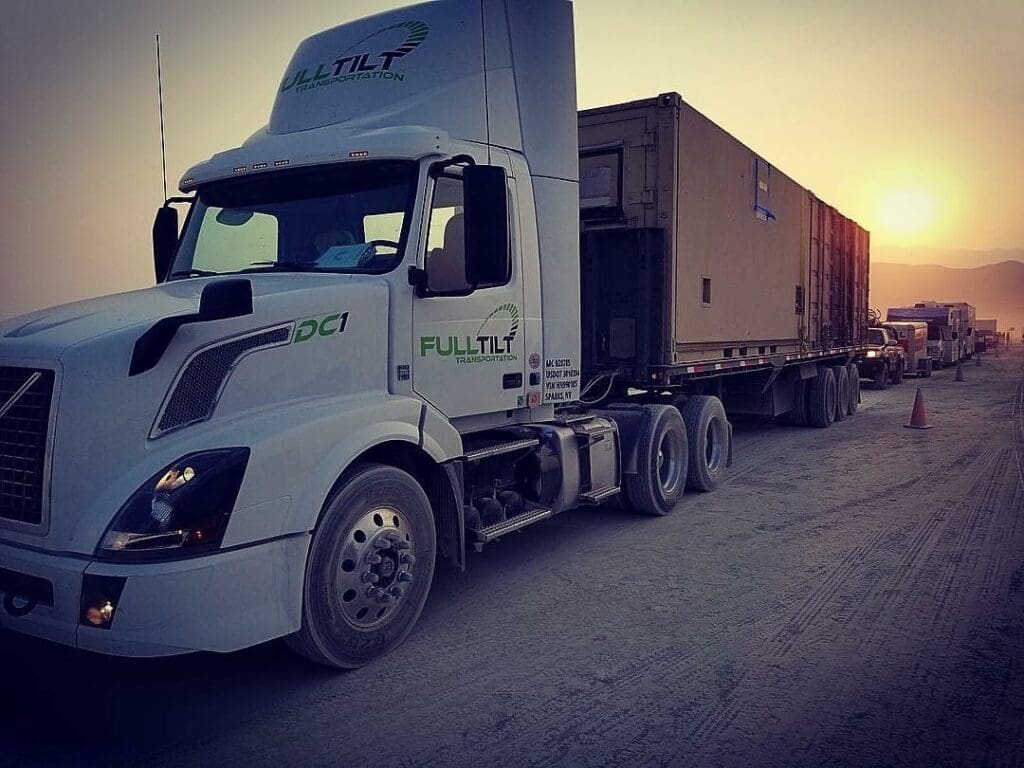
Oversized freight shipping is complex. It’s not something you want to figure out as you go.
A specialized logistics partner helps you:
This reduces risk and keeps your shipment moving smoothly.
Shipping oversized freight doesn’t have to be stressful, but it does require careful planning and execution.
The difference between a smooth delivery and a costly delay usually comes down to preparation, experience, and attention to detail.
If you’re moving oversized freight, getting the right team involved early can save time, money, and a lot of headaches.
Oversized freight shipping comes with too many risks to leave anything to chance. Permits, routing, timing, and equipment all need to be handled correctly from the start.
That’s where Full Tilt Logistics comes in.
We specialize in oversized and heavy haul freight, helping businesses move complex shipments safely and efficiently. Whether you're transporting construction equipment, energy infrastructure, or large industrial components, our team handles the details so you don’t have to.
When you work with us, you get:
No guesswork. No costly surprises. Just reliable execution from pickup to delivery.
Ready to move oversized freight without delays or fines?
Contact Full Tilt Logistics today to get a quote or speak with a logistics expert.
Freight costs are up. Customer expectations aren't going anywhere. And somehow you're supposed to move faster while spending less.
If you've been feeling that pressure lately, you're not alone. It's one of the most common conversations we have with supply chain managers right now. And the frustrating part is that a lot of the overspending isn't obvious. It hides in habits, default settings, and processes nobody has questioned in a while.
Here's what we've seen actually work.
This one sounds almost too simple, but it makes a real difference.
A lot of companies default to expedited shipping on loads that honestly don't need it. It becomes a habit. The timeline feels tight, someone clicks the fast option, and nobody questions it. Do that enough times across enough lanes and you're burning serious money on speed that isn't adding any value.
Pull a few months of shipping data and look at your delivery timelines versus your actual customer requirements. You'll almost always find lanes where standard LTL or FTL would have worked just fine. That's money you can stop spending pretty quickly.
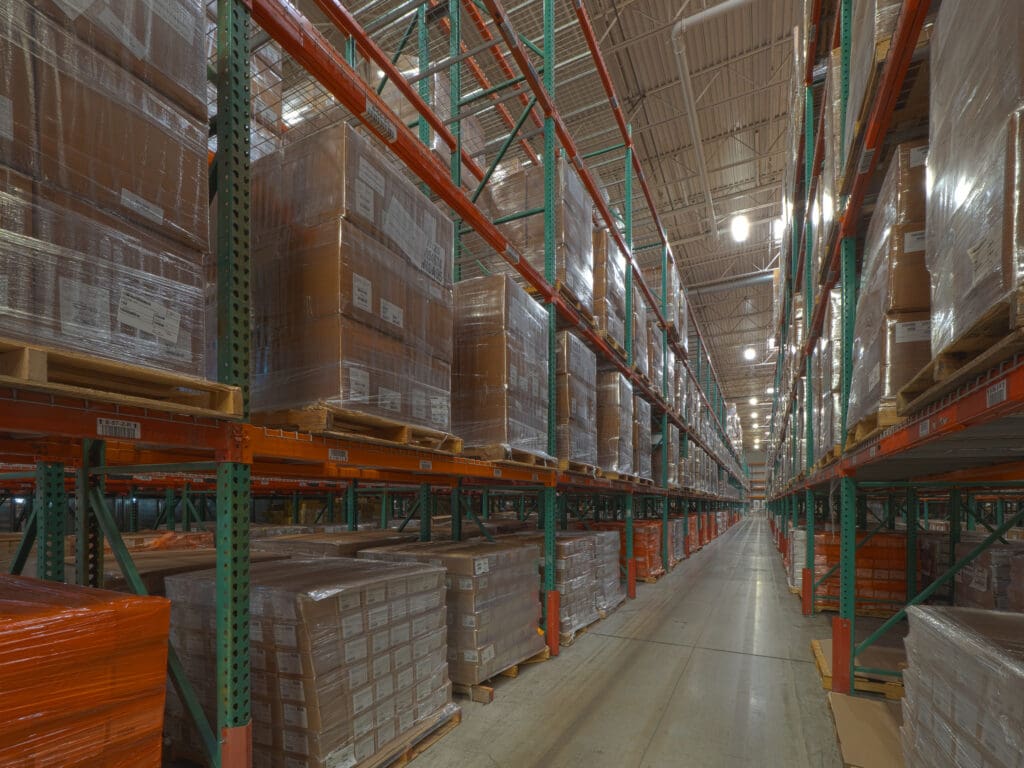
Shipping smaller loads separately costs more than consolidating them. Every time. More moves means more handling, more risk of damage, and a higher bill at the end of the month.
Here's how we make consolidation work for our customers. We warehouse freight in Reno until there's enough volume heading the same direction to move as one load. Rather than pushing freight out the door before it's ready just to hit an arbitrary schedule, we hold it, build the load properly, and move it when it makes financial sense to do so. That approach alone can meaningfully reduce what our customers pay per unit shipped.
Reno's location is a big part of why this works so well. Our warehouse can reach the 11 western states within 24 hours, which means consolidated freight moves fast once it's ready to go. You're not giving up speed to save money. You're getting both.
If you're shipping regionally or moving freight across the country on a regular basis, consolidation through our Reno warehouse is worth a conversation.
The savings aren't marginal either. Combining loads reduces your cost per unit, cuts down on handling touchpoints, and makes delivery scheduling a lot more predictable.
Carriers don't just charge by weight. Dimensional weight and space utilization factor into pricing too, which means a shipment that's light but takes up a lot of trailer space can get expensive fast.
This is something we've seen play out firsthand. We worked with one of our warehouse and freight customers to completely rethink how their product was being packaged. By partnering with Ernest Packaging here in Reno, we were able to redesign their packaging so more units fit on each pallet and freight moved through the system more efficiently. Less wasted space, easier to handle, and a lower cost per shipment.
It's not always the first thing supply chain managers think about when they're looking to cut freight costs, but packaging changes can be some of the quickest wins available. And when you're running volume through a warehouse regularly, those wins add up fast.
If your current broker is just executing loads and sending invoices, you're not getting what you should be getting.
One of the realities of freight is that carriers fail. Trucking companies shut down with little to no warning, and when that happens, shippers are left scrambling with freight that needs to move and no one to move it. We get those calls regularly. A customer's carrier has fallen through, the load is sitting there, and they need someone to fix it fast. We've stepped in and sourced same-day coverage in situations that looked pretty hopeless on the surface. That's not something you get from a broker who treats every load as a transaction.
What that takes on our end is dedicated account reps who actually know your freight, proactive communication so you're never guessing where your shipment is, and someone available around the clock when things go sideways. We flag potential issues before they turn into problems, and when problems do happen anyway, we're already working on the solution before you've finished explaining the situation.
The difference between a reactive logistics operation and a proactive one usually comes down to the partner in the middle. If you're not getting that kind of support from whoever is handling your freight right now, Full Tilt Logistics is worth a call.
Most companies aren't looking at their freight spend closely enough. Not because they don't care, but because nobody has set up the habit of reviewing it regularly and the data is sitting there not telling anyone anything.
When customers ask us to dig into their numbers, we pull together freight spend summaries, lane analysis, and cost saving recommendations internally. It's not an automated dashboard, it's an actual person looking at your freight and telling you what they see. That means the recommendations are specific to your operation, not generic advice that could apply to anyone.
What we consistently find when we do these reviews is that there are lanes where customers are overpaying, seasonal patterns they haven't accounted for in their planning, and mode choices that made sense at some point but don't anymore. None of that is obvious until someone actually looks.
If you haven't reviewed your freight spend in the last six months, that's probably the first conversation worth having. Just ask and we can take a look.
More lead time almost always means better options. Better rates, more carrier availability, and a lot less stress on your end. When you can give us advance notice on a shipment, we can be more strategic about how we move it, which usually translates directly to cost savings.
That said, we also know that freight doesn't always cooperate with the plan. Timelines slip, orders come in late, and sometimes you just need something moved right now. That's not a problem for us.
Our 24/7 brokerage and extensive carrier network means we can step in and cover last-minute moves when you need it. We've done it plenty of times before and we'll do it again. So while we'd always encourage building more runway into your shipping process when you can, if you find yourself in a tough spot, just call us. We're happy to help.
Bad habits, default service levels that haven't been questioned, packaging that hasn't been optimized, and not enough lead time. Fix those things and you'll see the difference on your freight bill without having to overhaul your entire operation.
Supply chain managers who take a hard look at these areas consistently find savings they didn't know were sitting there. The freight market is tough right now, but there's usually more room to improve than it initially looks like.
What's the quickest way to reduce freight costs? Start with a shipping audit. Look at the last three to six months of data and check whether you're consistently over-prioritizing speed on lanes that don't need it. That's usually where the fastest savings show up.
Does freight consolidation make sense for smaller shippers? It can, especially on regional lanes. If you're shipping to the same areas regularly, there's usually an opportunity to combine loads and bring your cost per unit down.
How does a 3PL actually help reduce freight costs? Carrier relationships, routing tools, and market visibility are the big ones. A good 3PL can access rates and options that most individual shippers can't get on their own, and they can spot inefficiencies in your current setup that are costing you money.
How much does packaging really affect freight pricing? More than most people expect. Dimensional weight pricing means that a shipment taking up more trailer space than it needs to can cost significantly more. Small improvements in palletization can make a noticeable difference over time.
Full Tilt Logistics works with manufacturers, distributors, and project teams across the U.S. and Canada. We focus on transportation optimization, freight consolidation, regional warehousing, and direct-to-site delivery. Our Reno warehouse can reach all 11 western states within 24 hours, and our nationwide carrier network keeps things moving everywhere else.
If you want a second set of eyes on your freight strategy or just want to know where your shipping dollars are going, we're easy to reach.
Call us at 775-300-6050, contact our team, or request a quote.

In live production, timing is everything. Load-outs often wrap close to midnight, the next venue may be several hundred miles away, and sound check is scheduled for early morning. When equipment arrives late — even by a short margin — it can delay rigging, compress rehearsals, and create unnecessary pressure on the entire crew.
That’s why touring productions rely on logistics partners who understand how shows actually move. Transportation for a tour isn’t just about getting from one city to the next. It requires planning around drive-time regulations, dock availability, curfews, and back-to-back performance schedules.
Full Tilt Touring supports concert transportation and live event logistics with the goal of keeping productions on time, equipment protected, and crews focused on the show rather than the freight.
Touring operates on a different cadence than traditional freight. A typical move may involve loading out of an arena late at night, driving through the early morning hours, and arriving just as the next venue opens its dock doors.
Routes are built with the realities of touring in mind:
Each leg must align with the advance schedule because once a tour is in motion, there is very little room for delay.
Tour trucks carry a wide range of production equipment. Beyond audio and lighting, loads often include staging components, LED panels, control racks, road cases, instruments, and merchandise. Many of these pieces are custom-built and difficult to replace quickly.
Load planning is critical. Cases need to be sequenced in the trailer based on the order they will be unloaded at the next venue. Rigging equipment typically comes off first, followed by lighting, audio, and backline. When this isn’t organized properly, load-ins take longer and labor costs increase.
Experienced touring drivers understand these workflows and build the trailer so crews can move efficiently once they arrive on site.
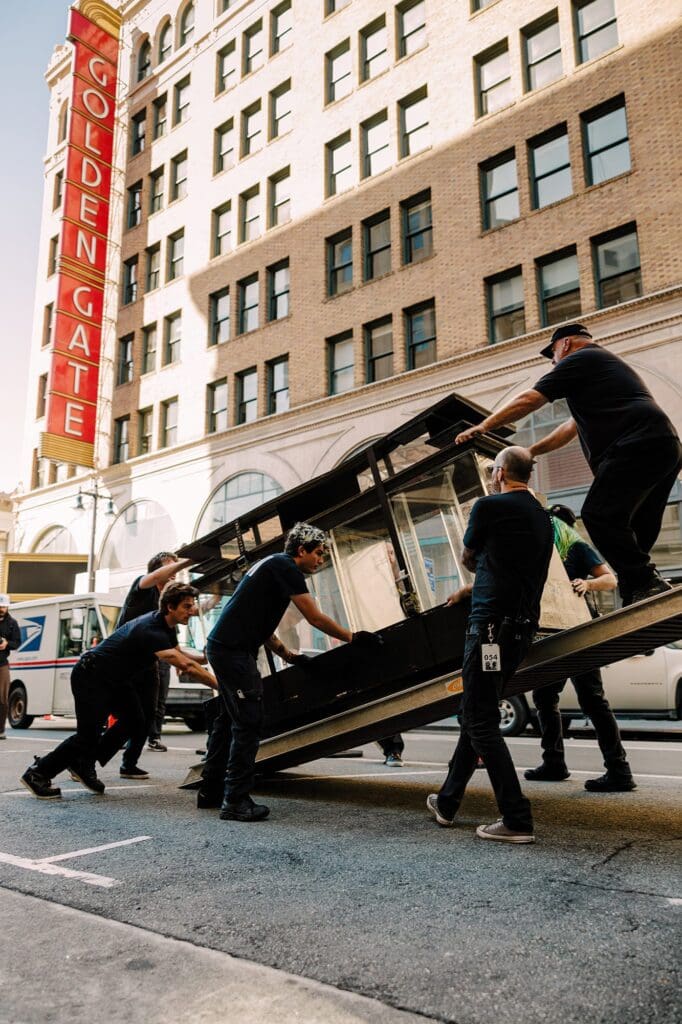
Tour equipment is loaded and unloaded constantly, often in low-light conditions and under tight time constraints. Small details inside the trailer can make a meaningful difference in both safety and speed.
Full Tilt Touring trucks are configured specifically for live event freight. A full-length interior lighting system improves visibility during late-night load-outs and early-morning dock calls. A 16-foot ramp allows crews to move road cases and carts quickly without relying on venue lifts that may not always be available.
Vertical e-track, locking load bars, and secure strap systems provide multiple tie-down points so cases can be braced properly for transit. This helps prevent shifting on long hauls and keeps equipment in show-ready condition when it arrives at the next stop.
Because these features are standard across the touring fleet, production teams work with a consistent trailer setup in every city, which streamlines both load-ins and load-outs.
Multi-city tours introduce additional complexity. Distances between markets, hours-of-service limits, and venue schedules all influence how a route is structured.
Some runs require team drivers to make overnight pushes between cities. Others benefit from relay strategies or strategically placed rest days that allow equipment to move safely without risking delays.
For West Coast launches, Reno provides efficient access to major markets throughout California, the Pacific Northwest, the Southwest, and the Mountain West. Starting inland can reduce congestion, improve transit predictability, and create smoother routing between tour stops.
Production equipment is both high-value and show-critical. A delayed LED wall or damaged control console doesn’t just impact the schedule — it affects the performance itself.
Touring logistics focuses on reducing that risk through consistent drivers, secure loading practices, and clear communication with advance teams. Flexibility is equally important. Added dates, routing changes, and venue constraints are common, and transportation plans need to adapt without disrupting the overall schedule.
Full Tilt Touring works alongside production managers and tour coordinators to plan transportation that matches the pace of a live run. Our team builds routes around real-world venue timelines and provides the capacity needed for multi-city schedules.
We offer dedicated equipment, team-driver options for longer segments, and direct coordination with advance contacts to align delivery times with dock availability. For productions that require rehearsal space or early staging, we can integrate short-term warehousing and timed releases so equipment arrives in sequence as the tour progresses.
The focus is always the same: on-time arrivals, efficient load-ins, and equipment that is ready to go when the crew opens the trailer.
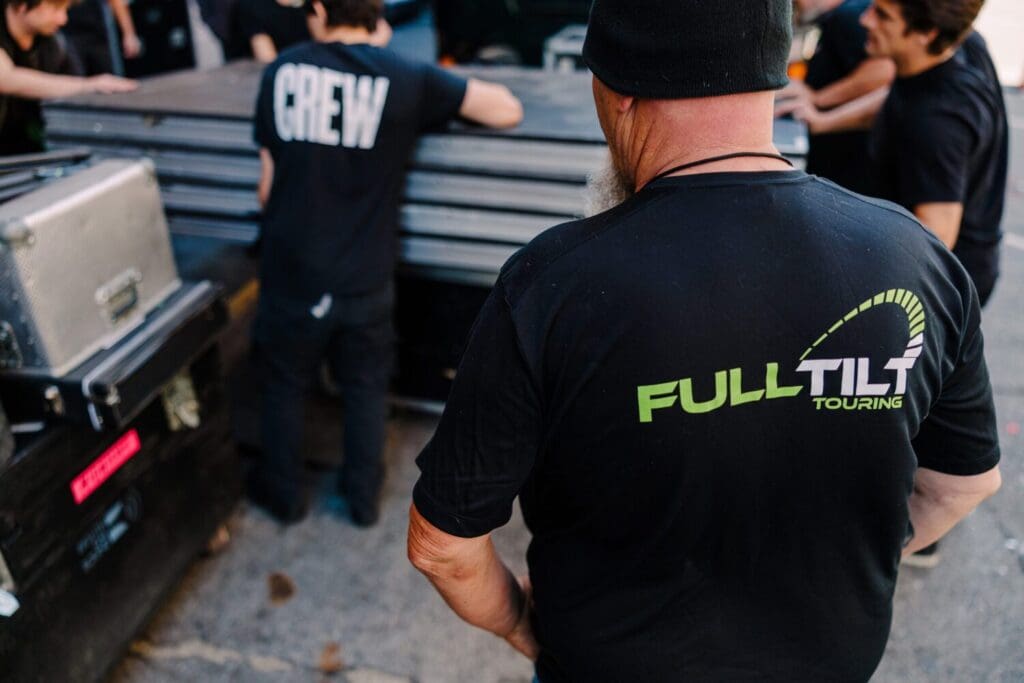
The right logistics partner should feel like an extension of the production team. Experience with live events, familiarity with venue procedures, and the ability to adapt to schedule changes are more valuable than simply offering available trucks.
Clear communication, realistic transit planning, and a track record of supporting show schedules are what keep tours moving smoothly from city to city.
Most tours begin transportation planning weeks in advance, but flexibility remains essential. Routing adjustments, added dates, and shifting venue requirements are part of the process. Working with a logistics team that understands these variables makes it easier to adapt without creating downstream delays.
Tour logistics starts long before opening night and continues through the final show. From rehearsal staging to multi-city routing, the objective is consistent: equipment arrives when it’s needed, in the order it’s needed, and in show-ready condition.
Full Tilt Touring supports productions nationwide with transportation strategies designed for the realities of live events.
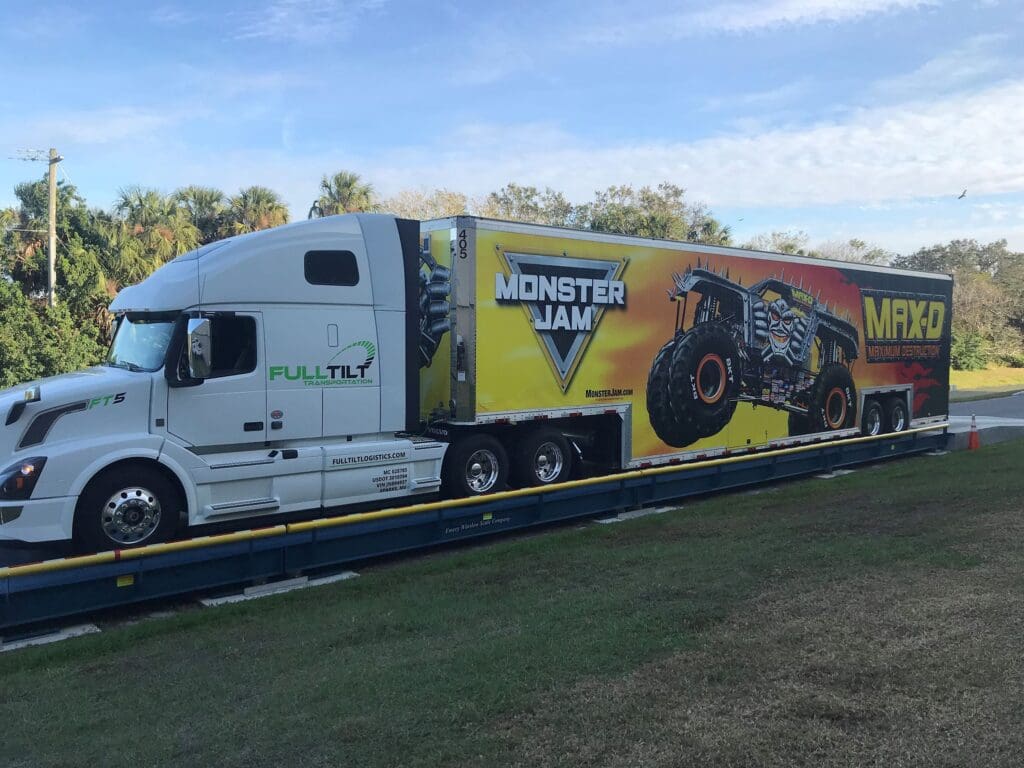
When tens of thousands of fans pack an arena for a Monster Jam show, the spotlight is on roaring engines, massive air, and perfectly timed performances. What most people never see is the logistics operation behind the scenes—moving monster trucks, equipment, and crew from city to city on unforgiving timelines.
That’s where Full Tilt Touring comes in.
Full Tilt Touring has supported monster truck touring logistics, including events associated with Monster Jam, providing specialized transportation and touring logistics built for live, time-critical entertainment.
Monster truck touring is unlike standard freight—and even unlike most concert tours.
Each event requires:
A late truck doesn’t just delay freight—it can delay a show.
Monster Jam events often move from city to city with minimal downtime. Full Tilt Touring provides touring-specific logistics support aligned with how these events actually run.
monster truck touring logistics require equipment and drivers experienced with:
Full Tilt Touring coordinates the right equipment and routing so trucks arrive safely, securely, and on schedule.
Unlike traditional freight, Monster Jam logistics revolve around:
Transportation plans are built around the event schedule, not the other way around—keeping tours moving without disrupting production.
From coast-to-coast arena runs to regional event legs, Full Tilt Touring supports:
This level of coordination helps eliminate surprises between shows.
Arena environments introduce their own challenges—tight docks, limited maneuvering space, union labor schedules, and strict access windows.
Full Tilt Touring teams are experienced working inside these environments, ensuring:
Monster Jam events demand reliability and flexibility. Full Tilt Touring delivers with:
This isn’t just transportation—it’s show support.
Fans see the spectacle. Full Tilt Touring handles the planning, coordination, and precision required to make it happen.
From the first load-in to the final load-out, Full Tilt Touring helps ensure monster truck touring logistics roll into every city ready to perform—right on cue.
Get your touring quote today: click here
When managing logistics for tours, festivals, or live events, you quickly realize that moving production gear is not the same as shipping typical freight. You need more than just transportation; you require a partner who understands the unique complexities of entertainment trucking. The difference lies in the precise coordination, specialized expertise, and tailored solutions that ensure your valuable equipment arrives safely and on schedule. Knowing what sets entertainment trucking apart can help you make an informed decision for your next tour or event.
Entertainment trucking demands exact timing and routing far beyond what standard freight services provide. Your load must align perfectly with show schedules, venue access times, and load-in/load-out windows, which often change unexpectedly. Unlike standard freight that may allow for broad delivery windows, entertainment trucking anticipates and adapts to tight deadlines to keep your production on track.
Routing for entertainment logistics requires advance planning with venues and coordination with multiple stakeholders involved in the event. Drivers rely on detailed itineraries and constant communication to navigate challenges like local traffic restrictions or last-minute schedule shifts. This level of precision minimizes downtime and helps avoid costly delays that could impact your event’s success.
Because every stop is critical, routes are optimized not just for distance but also for the unique requirements of each venue and event. Experienced entertainment trucking teams continually update routes based on real-time information, keeping you informed and confident your gear will arrive exactly when needed.

You benefit greatly when your transportation team has deep experience with live events and touring. Drivers and staff bring an insider’s understanding of production timelines, backstage operations, and the pressures of show day logistics. This background enables them to anticipate needs that standard freight providers might overlook.
Entertainment trucking professionals are familiar with the nuances of different venues, security protocols, and the fast-paced nature of tour life. They speak your language and follow your cues, ensuring that your schedule is respected and your equipment handled with care. Their expertise supports smooth transitions from one location to the next, no matter how demanding the itinerary.
Choosing a team versed in entertainment logistics means partnering with individuals who prioritize reliability and flexibility. Their familiarity with live events reduces surprises and builds trust, so you can focus on the performance rather than worrying about transportation.
Entertainment trucking goes beyond simply hauling cargo—it requires purpose-built vehicles and packing methods designed to protect delicate, high-value gear. From instruments and audio systems to lighting rigs and staging components, your equipment demands secure, specialized handling.
Trailers used for entertainment trucking are often customized with features like climate control, shock absorption, and tailored storage compartments. These adaptations prevent damage from vibration, weather, and rough handling that standard freight transport might not adequately address. Proper packing and loading techniques further reduce risk during transit.
This specialization ensures your gear arrives ready for showtime, maintaining functionality and appearance. Handling production equipment without these safeguards can result in costly repairs, replacements, or even show cancellations. The right entertainment trucking provider safeguards your investment every step of the way.
A premium entertainment trucking service offers more than transport; it delivers dedicated support and unmatched responsiveness. You benefit from 24/7 availability and direct lines of communication with drivers and coordinators, fostering transparency and peace of mind throughout the delivery process.
Personalized service includes flexibility to adjust plans on short notice, accommodate special requests, and solve unexpected issues quickly. This level of attention ensures your transportation logistics remain aligned with evolving show requirements and unforeseen challenges. It also creates a partnership built on reliability and trust.
A white-glove approach prioritizes safety and client satisfaction above all else. With a team committed to exceptional service, your confidence grows knowing your production’s transportation needs are being managed proactively and professionally.
When your production demands reliability, precision, and care, settling for standard freight options can leave you exposed to risk. Specialized entertainment trucking ensures your valuable gear travels safely and on time, backed by industry expertise and tailored service. Contact Full Tilt Touring to discuss your upcoming tour or event and discover how expert entertainment trucking solutions can support your success. Together, you can keep your show moving forward without compromises.
Entertainment trucking isn’t just about moving gear from Point A to Point B—it’s about precision timing, adapting to rapid industry changes, and helping make live events happen. If you’re exploring entertainment trucking jobs, understanding where this industry is headed will help you prepare and position yourself for long-term success.
Touring logistics is evolving, and the demands placed on drivers and support teams continue to grow. Working in this field means staying current with the latest technology, maintaining high service standards, and navigating complex schedules. With increasing opportunities tied to the scale of modern productions, the outlook is promising for those ready to grow into this career.
Technology may enhance routing and tracking, but it can’t replace the value of human connection in live event logistics. Artists, production teams, and clients expect direct communication, attention to detail, and flexibility from their transportation partners. Whether delivering lighting rigs for a concert or staging elements for a festival, your role extends beyond the cab.
Being responsive, proactive, and calm under pressure are key traits in entertainment trucking. Full Tilt Logistics continues to emphasize this people-first approach, ensuring drivers and crew remain aligned with production timelines. That level of trust keeps partnerships strong and schedules on track—even in high-pressure environments.
Event schedules change, load-in times shift, and challenges arise that require quick thinking. If you’re considering a career in this niche, you’ll need to be ready to communicate clearly and think on your feet. That hands-on service mentality isn’t just valued—it’s essential.
Entertainment events are getting bigger, which means the scale of logistics has expanded. It’s not uncommon for a national tour to require 10 to 20 trucks or more, depending on the production. Sound systems, lighting, rigging, instruments, wardrobe, and staging must all move seamlessly—and in exact order.
With this growth comes opportunity. As a driver supporting these types of events, you don’t just transport freight—you become part of the touring team. Full Tilt Touring has supported multi-city productions across the U.S., providing the structure and support needed to deliver equipment with precision.
This level of involvement creates a sense of ownership and pride. You’ll get to know your gear, your crew, and the cadence of a touring schedule. Whether you’re new to the industry or an experienced driver looking for a challenge, larger-scale logistics brings a new level of fulfillment.
Digital tools are no longer a convenience—they’re a requirement. From real-time GPS tracking to mobile check-in systems and cloud-based schedules, entertainment trucking now relies heavily on technology for communication and efficiency. Clients want up-to-the-minute updates. Dispatchers need to reroute based on venue delays or weather. You need a reliable system to stay connected on the road.
Adapting to these tools isn’t difficult, but it does require a willingness to learn. In this field, success often comes down to how quickly you can access critical information and respond accordingly. Full Tilt Logistics incorporates digital coordination to help both drivers and clients stay informed throughout each job.
This shift to digital doesn't replace the role of the driver—it enhances it. When you know where the gear is, when the dock is available, and what changes have occurred at a venue, your job becomes more predictable and more efficient.
Trucking careers often face fluctuations in freight demand, seasonal slowdowns, or route uncertainty. In contrast, entertainment trucking jobs often span full tour seasons and provide more consistency. Once you’re on a tour or assigned to a recurring event, you’re looking at weeks or months of stable, scheduled work.
This is where working with a specialized logistics partner makes a difference. Full Tilt Logistics structures touring work so drivers gain steady assignments and build long-term relationships. That consistency attracts professionals who want reliability without sacrificing variety.
The more you work in entertainment logistics, the more you develop your professional network within the live events industry. Many drivers return year after year to support tours or festivals they’ve grown familiar with. For someone looking to transition out of traditional freight and into a dynamic, people-centered environment, this niche offers both stability and satisfaction.
In the coming years, adaptability will be one of the most important traits you bring to the job. Live events change rapidly—tour dates shift, venues differ, and set configurations adjust on the fly. Your ability to remain flexible and solution-oriented will keep you moving forward.
Understanding how to load sensitive equipment, manage tight arrival windows, and work around venue staff makes you more than a driver—you become part of the tour’s infrastructure. That’s the level of reliability production teams count on.
Drivers in this field often describe the work as more collaborative than traditional freight. You’re working alongside lighting techs, riggers, and tour managers. You’re not just dropping off cargo—you’re part of a tightly-run operation, and the crew depends on you to get it right every time.
Choosing entertainment trucking as your next career move means choosing something different. You’ll travel to major cities, support live performances, and play a behind-the-scenes role in experiences that thousands of fans enjoy. If you’re looking for meaningful work in a high-paced, team-focused setting, this industry delivers.
Whether you’re already licensed and experienced or exploring a new opportunity in logistics, Full Tilt Touring offers a strong foundation for your growth. With active routes, committed partnerships, and a team that understands live production demands, the support is in place to help you succeed.
Entertainment trucking isn’t for everyone—but for those who value professionalism, attention to detail, and consistency, it’s a career worth considering. You don’t have to jump in without support. Start by learning more about how Full Tilt Logistics structures touring work and what expectations come with the job.
If you’re curious about available positions or want to explore how this career path aligns with your goals, contact our team. Whether you’re based in Sparks or considering a relocation to support national tours, the next chapter in your career could start on the road with us.
Live tours and entertainment productions move at a relentless pace. Equipment needs to arrive at exact locations, at precise times, and in perfect condition. Behind the scenes, logistics play a critical role in whether a performance runs smoothly or hits costly roadblocks. For production teams, event coordinators, and touring managers, partnering with a provider who specializes in entertainment logistics is more than a convenience—it’s a business decision that directly impacts performance quality and budget.
From multi-city concerts and theatrical productions to sporting events and brand activations, Full Tilt Logistics provides tailored support for entertainment freight needs. Their touring services are built specifically for the demands of the entertainment world, helping organizers focus on the show while experienced logistics professionals manage the details.
Moving set pieces, lighting rigs, soundboards, and musical instruments involves far more than loading trucks. These items are often fragile, high-value, and essential for show execution. Specialized entertainment logistics providers understand the specific challenges tied to timing, venue coordination, and crew expectations.
Teams like those at Full Tilt Logistics have experience working closely with production teams, venues, and tour managers to create reliable transportation strategies. Their knowledge of venue constraints, backstage needs, and crew operations allows for clear communication, better risk management, and fewer delays.
Live events rarely follow a simple schedule. Weather changes, route updates, venue access times, and last-minute additions all affect how freight must be managed. General freight companies often struggle to adapt to this level of complexity.
By contrast, entertainment logistics partners build plans around the unique needs of each tour. Full Tilt Touring offers full truckload (FTL) and less than truckload (LTL) options, customized route planning, and flexible scheduling to meet the shifting demands of live performance logistics. Their ability to provide both domestic and international coverage ensures tours are fully supported from the first load-in to the final breakdown.

Entertainment events rely heavily on timing. Load-ins must sync with crew arrivals, sound checks, and performance schedules. Delays in freight delivery can cause cascading problems that affect the audience experience and impact financial outcomes.
Specialized entertainment logistics companies integrate advanced tracking systems and route optimization tools to maintain transparency and timing. Full Tilt uses real-time GPS tracking and 24/7 monitoring to keep clients informed and adaptable throughout each leg of the tour. When a production spans multiple cities and countries, this level of visibility becomes essential.
Entertainment gear represents a significant investment. From custom stage props to audio-visual setups, every piece must be handled with care. Traditional freight services often lack the knowledge or equipment required to move these materials safely.
A dedicated entertainment logistics partner places a strong emphasis on security, protective packing, and specialized handling. Full Tilt ensures that equipment is loaded, transported, and unloaded with safety in mind. With access to insurance options and secure transport protocols, clients gain peace of mind knowing their investments are protected throughout the tour.
Entertainment logistics goes beyond transportation. It’s about maintaining trust, keeping performances on track, and protecting valuable assets. Businesses that rely on live events to reach audiences need a logistics partner that understands these priorities.
By working with a dedicated team like Full Tilt Logistics, touring professionals and event coordinators gain a partner who aligns with their mission, adapts to their timeline, and ensures freight is never a barrier to performance.
Production schedules are often planned months in advance, and freight planning should follow the same timeline. By securing a specialized entertainment logistics partner early, teams can focus on the creative and strategic aspects of the tour while leaving the transportation logistics to professionals.
Full Tilt Logistics offers the experience, tools, and support needed to keep tours running smoothly and efficiently. Businesses looking to streamline operations and improve performance delivery can reach out today to request a rate or explore touring services.