services
Full tilt services
News
about
About full tilt logistics
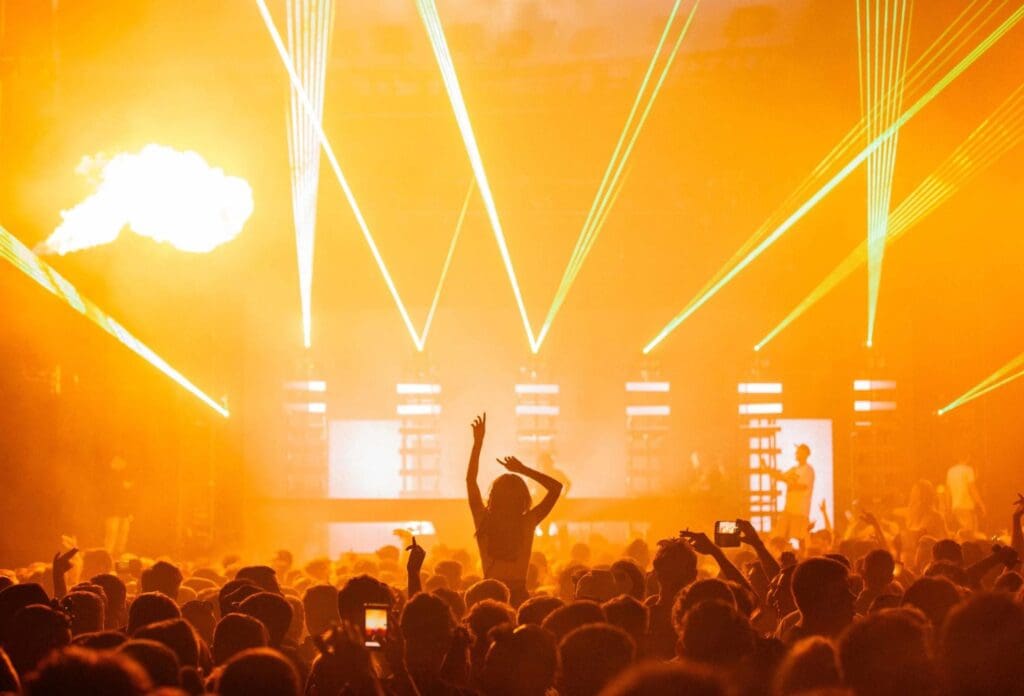
Touring and live event production aren’t what they used to be.
Tighter timelines, rising costs, and higher expectations have made the traditional multi-vendor model harder to manage. Coordinating production, equipment, and transportation across separate teams often creates delays, miscommunication, and unnecessary risk.
Gateway Productions is responding with a more practical solution: a 360 touring model that brings everything together under one structure.
Gateway Productions provides end-to-end support across every phase of live event production.
Their capabilities include:
Because they maintain a strong internal inventory, Gateway can adapt quickly and customize each project without relying heavily on outside vendors.
The 360 model isn’t just about offering more services. It’s about alignment.
Instead of juggling multiple vendors, production and logistics are planned together from the start.
That leads to:
When everything moves together, execution gets tighter.
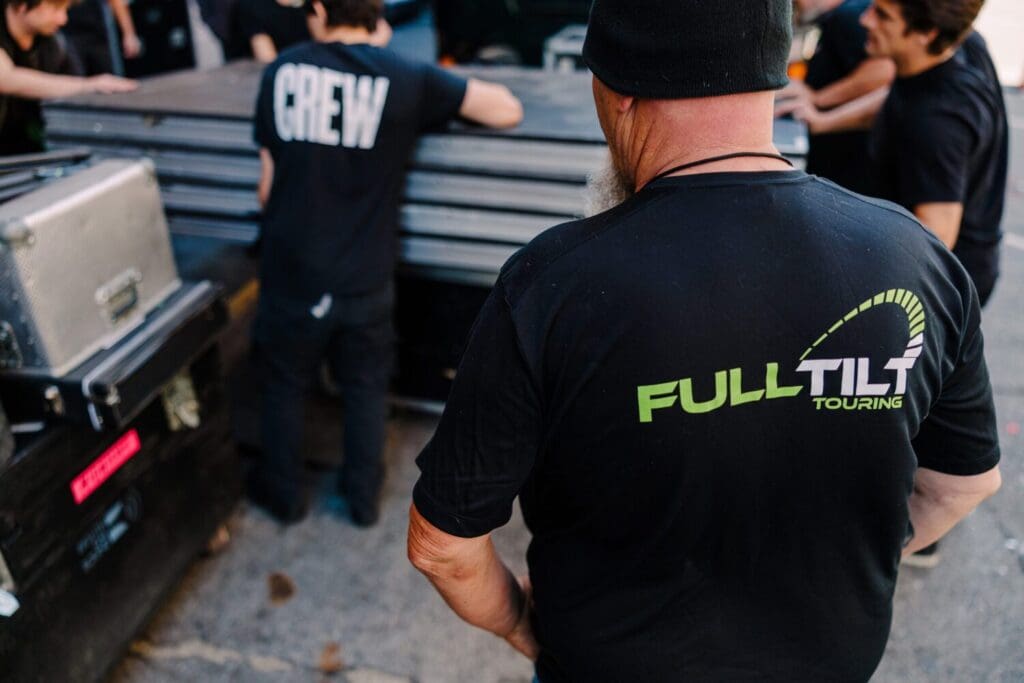
Transportation is one of the most common failure points in touring. If trucks fall behind, everything else follows.
To strengthen its 360 model, Gateway Productions partners with Full Tilt Logistics for dedicated transportation support.
Full Tilt provides:
This partnership ensures that equipment, staging, and production timelines stay in sync from city to city.
Most tours don’t fail because of one big issue. They break down due to small gaps between teams.
The 360 model reduces those gaps by aligning production and logistics into one coordinated plan.
That means:
It shifts the workflow from reactive fixes to proactive planning.
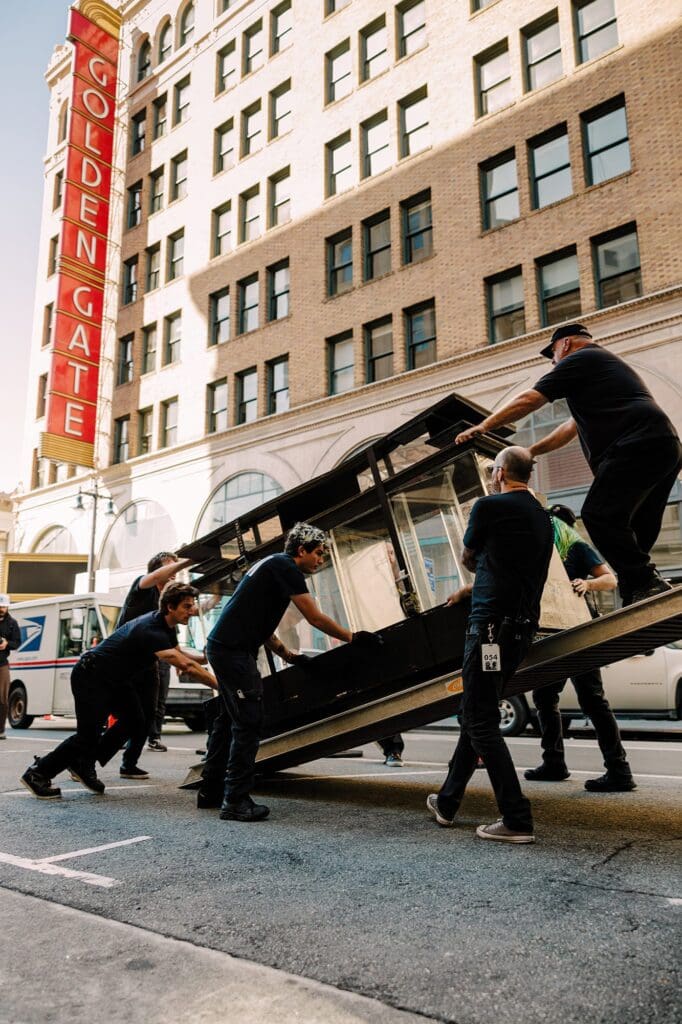
Audiences don’t see logistics, but they feel the results.
Every smooth show, every on-time start, every seamless transition between cities depends on how well the operation runs behind the scenes.
By combining Gateway Productions’ full-service capabilities with Full Tilt Logistics’ transportation expertise, teams get a more reliable foundation to deliver consistent results.
The live events industry is moving toward integrated solutions.
Gateway Productions’ 360 touring model, supported by Full Tilt Logistics, reflects that shift—simplifying operations, reducing risk, and improving performance across the board.
If you're planning a tour, festival, or live event and need reliable transportation support, Full Tilt Logistics can help.
From multi-city routing to last-minute changes, their team works alongside yours to keep everything on schedule.
If you're a vendor that supports touring—production, staging, technical, or related services—and you're looking to align with a more integrated 360 model, there’s an opportunity to collaborate as well.
Contact: salesteam@fulltiltlogistics.com
In live production, timing is everything. Load-outs often wrap close to midnight, the next venue may be several hundred miles away, and sound check is scheduled for early morning. When equipment arrives late — even by a short margin — it can delay rigging, compress rehearsals, and create unnecessary pressure on the entire crew.
That’s why touring productions rely on logistics partners who understand how shows actually move. Transportation for a tour isn’t just about getting from one city to the next. It requires planning around drive-time regulations, dock availability, curfews, and back-to-back performance schedules.
Full Tilt Touring supports concert transportation and live event logistics with the goal of keeping productions on time, equipment protected, and crews focused on the show rather than the freight.
Touring operates on a different cadence than traditional freight. A typical move may involve loading out of an arena late at night, driving through the early morning hours, and arriving just as the next venue opens its dock doors.
Routes are built with the realities of touring in mind:
Each leg must align with the advance schedule because once a tour is in motion, there is very little room for delay.
Tour trucks carry a wide range of production equipment. Beyond audio and lighting, loads often include staging components, LED panels, control racks, road cases, instruments, and merchandise. Many of these pieces are custom-built and difficult to replace quickly.
Load planning is critical. Cases need to be sequenced in the trailer based on the order they will be unloaded at the next venue. Rigging equipment typically comes off first, followed by lighting, audio, and backline. When this isn’t organized properly, load-ins take longer and labor costs increase.
Experienced touring drivers understand these workflows and build the trailer so crews can move efficiently once they arrive on site.
Tour equipment is loaded and unloaded constantly, often in low-light conditions and under tight time constraints. Small details inside the trailer can make a meaningful difference in both safety and speed.
Full Tilt Touring trucks are configured specifically for live event freight. A full-length interior lighting system improves visibility during late-night load-outs and early-morning dock calls. A 16-foot ramp allows crews to move road cases and carts quickly without relying on venue lifts that may not always be available.
Vertical e-track, locking load bars, and secure strap systems provide multiple tie-down points so cases can be braced properly for transit. This helps prevent shifting on long hauls and keeps equipment in show-ready condition when it arrives at the next stop.
Because these features are standard across the touring fleet, production teams work with a consistent trailer setup in every city, which streamlines both load-ins and load-outs.
Multi-city tours introduce additional complexity. Distances between markets, hours-of-service limits, and venue schedules all influence how a route is structured.
Some runs require team drivers to make overnight pushes between cities. Others benefit from relay strategies or strategically placed rest days that allow equipment to move safely without risking delays.
For West Coast launches, Reno provides efficient access to major markets throughout California, the Pacific Northwest, the Southwest, and the Mountain West. Starting inland can reduce congestion, improve transit predictability, and create smoother routing between tour stops.
Production equipment is both high-value and show-critical. A delayed LED wall or damaged control console doesn’t just impact the schedule — it affects the performance itself.
Touring logistics focuses on reducing that risk through consistent drivers, secure loading practices, and clear communication with advance teams. Flexibility is equally important. Added dates, routing changes, and venue constraints are common, and transportation plans need to adapt without disrupting the overall schedule.
Full Tilt Touring works alongside production managers and tour coordinators to plan transportation that matches the pace of a live run. Our team builds routes around real-world venue timelines and provides the capacity needed for multi-city schedules.
We offer dedicated equipment, team-driver options for longer segments, and direct coordination with advance contacts to align delivery times with dock availability. For productions that require rehearsal space or early staging, we can integrate short-term warehousing and timed releases so equipment arrives in sequence as the tour progresses.
The focus is always the same: on-time arrivals, efficient load-ins, and equipment that is ready to go when the crew opens the trailer.
The right logistics partner should feel like an extension of the production team. Experience with live events, familiarity with venue procedures, and the ability to adapt to schedule changes are more valuable than simply offering available trucks.
Clear communication, realistic transit planning, and a track record of supporting show schedules are what keep tours moving smoothly from city to city.
Most tours begin transportation planning weeks in advance, but flexibility remains essential. Routing adjustments, added dates, and shifting venue requirements are part of the process. Working with a logistics team that understands these variables makes it easier to adapt without creating downstream delays.
Tour logistics starts long before opening night and continues through the final show. From rehearsal staging to multi-city routing, the objective is consistent: equipment arrives when it’s needed, in the order it’s needed, and in show-ready condition.
Full Tilt Touring supports productions nationwide with transportation strategies designed for the realities of live events.
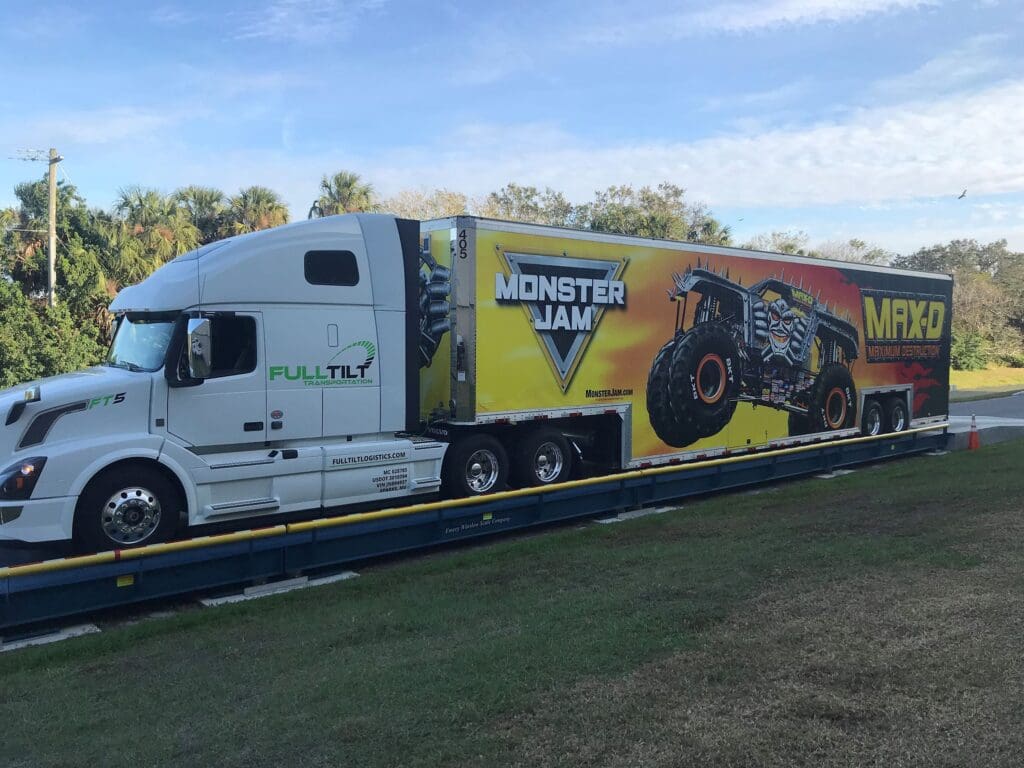
When tens of thousands of fans pack an arena for a Monster Jam show, the spotlight is on roaring engines, massive air, and perfectly timed performances. What most people never see is the logistics operation behind the scenes—moving monster trucks, equipment, and crew from city to city on unforgiving timelines.
That’s where Full Tilt Touring comes in.
Full Tilt Touring has supported monster truck touring logistics, including events associated with Monster Jam, providing specialized transportation and touring logistics built for live, time-critical entertainment.
Monster truck touring is unlike standard freight—and even unlike most concert tours.
Each event requires:
A late truck doesn’t just delay freight—it can delay a show.
Monster Jam events often move from city to city with minimal downtime. Full Tilt Touring provides touring-specific logistics support aligned with how these events actually run.
monster truck touring logistics require equipment and drivers experienced with:
Full Tilt Touring coordinates the right equipment and routing so trucks arrive safely, securely, and on schedule.
Unlike traditional freight, Monster Jam logistics revolve around:
Transportation plans are built around the event schedule, not the other way around—keeping tours moving without disrupting production.
From coast-to-coast arena runs to regional event legs, Full Tilt Touring supports:
This level of coordination helps eliminate surprises between shows.
Arena environments introduce their own challenges—tight docks, limited maneuvering space, union labor schedules, and strict access windows.
Full Tilt Touring teams are experienced working inside these environments, ensuring:
Monster Jam events demand reliability and flexibility. Full Tilt Touring delivers with:
This isn’t just transportation—it’s show support.
Fans see the spectacle. Full Tilt Touring handles the planning, coordination, and precision required to make it happen.
From the first load-in to the final load-out, Full Tilt Touring helps ensure monster truck touring logistics roll into every city ready to perform—right on cue.
Get your touring quote today: click here
Monster trucks aren’t just vehicles — they’re oversized, high-value machines built for high-impact live events. Transporting them requires far more than standard freight services. From specialized equipment and securement to strict event schedules and venue coordination, monster truck transport is a logistics operation where precision and experience matter.
For touring events, stadium shows, and live productions, hauling monster trucks means navigating tight timelines, complex routing, and non-standard freight requirements — all with zero margin for error.
Monster trucks present a unique set of challenges that separate them from typical palletized or boxed freight.
Most monster trucks:
Because of this, monster truck transportation falls under specialized freight and event logistics, not traditional trucking. Delays or missteps don’t just affect delivery — they impact entire events, crews, and tour schedules.
Successfully hauling monster trucks starts long before the truck hits the road. Each move requires careful coordination between drivers, dispatch, event organizers, and venue staff.
Oversized equipment often requires advanced route planning to avoid restricted roads, low clearances, or congested city routes. Depending on dimensions and state regulations, permits may be required to ensure compliance and safe transit.
Strategic routing helps protect the equipment, the driver, and the event timeline.
Monster trucks require specialized trailers and securement techniques to manage weight distribution and prevent movement during transit. Proper tie-downs, axle weight considerations, and equipment checks are essential to maintaining safety throughout the haul.
This level of securement goes far beyond standard freight handling.
Live events operate on strict schedules. Monster trucks must arrive within precise load-in windows and depart immediately following load-out. Any delay can impact venue operations and future tour stops.
Constant communication between drivers and dispatch is critical to keeping everything on track.
Transporting monster trucks comes with challenges that standard freight rarely encounters:
Because these moves are tied to live events, reliability and adaptability are just as important as equipment and experience.
When freight is tied to nationally recognized live events, experience becomes critical. Transporting monster trucks for productions like Monster Jam requires a logistics partner that understands touring schedules, venue coordination, and the pressure of high-profile equipment moves.
Events of this scale involve:
This level of coordination goes beyond traditional heavy haul transportation. It requires proactive communication, attention to detail, and a deep understanding of how live touring events operate.
At Full Tilt Logistics, we specialize in transporting non-standard, high-value freight, including monster trucks and touring equipment. Our team understands the demands of live events and the precision required to move oversized equipment safely and efficiently.
Our approach to monster truck transport includes:
From major stadiums to regional venues, we help ensure monster trucks arrive on time, protected, and ready for the next show.
If you’re an event organizer, promoter, or touring production looking for a logistics partner experienced in monster truck transport, having the right team makes all the difference.
👉 Learn more about our specialized transportation services:
https://fulltiltlogistics.com