
services
Full tilt services
News
about
About full tilt logistics
The more information you have before scheduling transportation, the smoother your equipment move will be.
Whether you're moving an excavator across town, relocating a wheel loader to another jobsite, or shipping a crane across state lines, successful heavy equipment transportation starts long before a truck arrives.
One of the biggest misconceptions about heavy haul logistics is that the process begins with getting a quote. In reality, the planning that happens beforehand often determines whether a move stays on schedule—or becomes an expensive delay.
Before scheduling your next equipment move, here are seven questions every contractor should answer.
Weight is one of the first pieces of information your transportation provider will ask for—and one of the most important.
The operating weight determines everything from trailer selection to permit requirements. Even a few thousand pounds can change the type of equipment required for the move.
If you're unsure of the exact weight, don't guess. Manufacturer specification sheets or equipment serial numbers can usually provide accurate information.
Pro Tip: Attachments like buckets, hammers, forks, and counterweights can significantly increase transport weight.
Length, width, and height all matter.
Many contractors know their machine's operating dimensions but overlook the measurements that matter during transport.
Ask yourself:
A machine that's only a few inches wider or taller than expected can require additional permits, alternate routing, or escort vehicles.
Accurate measurements help eliminate surprises before loading day.
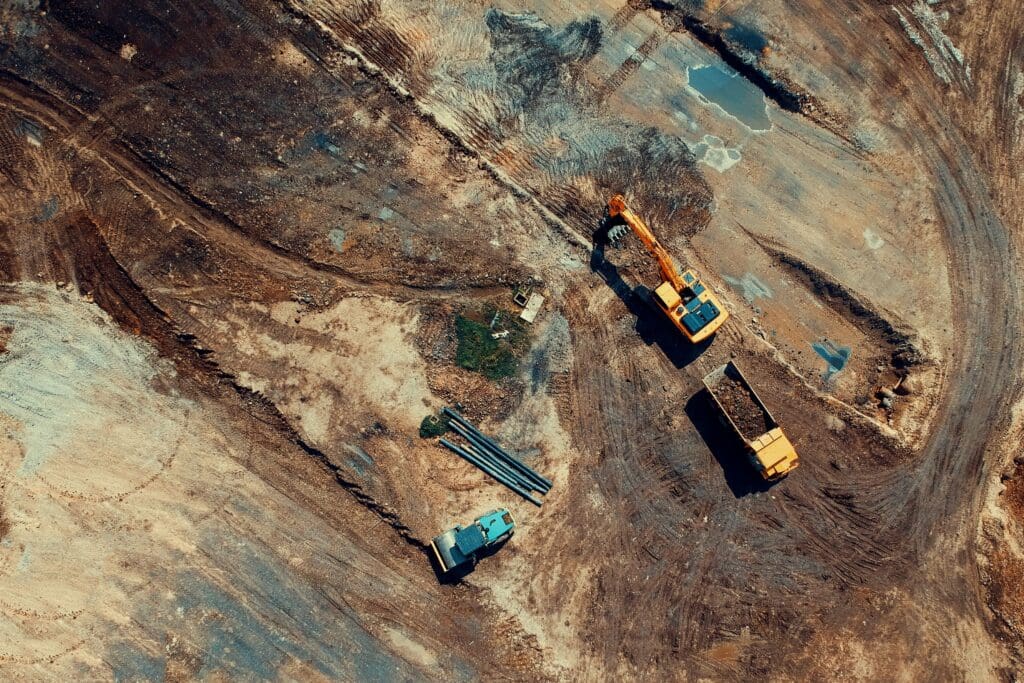
Not every machine can simply drive onto a trailer.
Understanding the loading process ahead of time helps determine which trailer is required and whether additional equipment is needed.
Some questions to consider include:
Having a loading plan in place keeps projects moving and reduces costly delays.
Transporting heavy equipment doesn't end when the truck arrives.
Construction sites present unique challenges that warehouses don't.
Before scheduling transportation, consider:
Five minutes spent planning site access can save hours on delivery day.
"ASAP" isn't always the best answer.
The goal isn't simply to deliver equipment quickly—it's to deliver it when the project is ready.
Arriving too early can create storage issues.
Arriving too late can leave crews waiting, cranes idle, and project schedules behind.
Providing realistic delivery windows allows transportation providers to coordinate permits, routing, and equipment more efficiently.
Not every piece of construction equipment qualifies as an oversize load—but many do.
Factors that influence permit requirements include:
An experienced logistics provider can determine what permits are needed, but having accurate equipment information upfront helps avoid unnecessary delays.
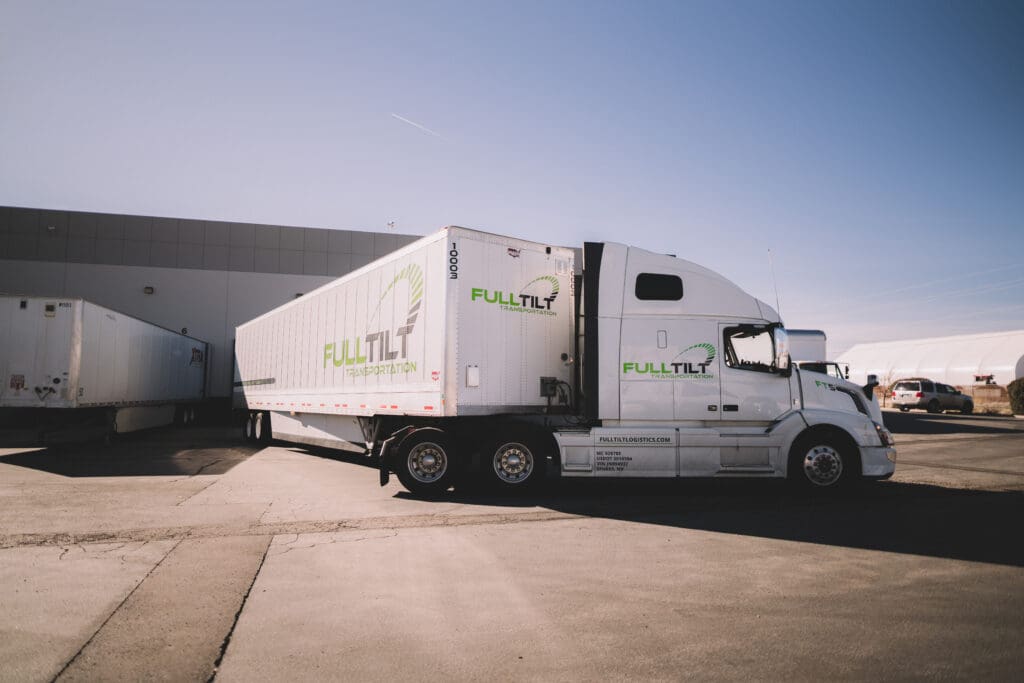
One of the fastest ways to receive an accurate transportation quote is by gathering the right information before making the call.
Having the following details available allows your logistics provider to respond more quickly:
The more complete the information, the more accurate the quote—and the fewer surprises during transport.
Heavy equipment transportation is about far more than finding an available truck.
Successful moves require planning, coordination, and clear communication between contractors, equipment owners, and transportation providers.
By answering these seven questions before scheduling transportation, you'll help reduce delays, avoid unexpected costs, and keep your project moving forward.
Whether you're relocating equipment between jobsites or coordinating deliveries for a large construction project, preparation is one of the most valuable tools you can bring to the table.
At Full Tilt Logistics, we work with contractors, equipment dealers, manufacturers, and project managers to coordinate heavy equipment transportation throughout North America. From compact equipment to oversized machinery, our team helps ensure every move is planned with safety, compliance, and efficiency in mind.
If you're planning an upcoming move, we're happy to help you determine the information you'll need before requesting a quote.
Get started today:
📞 Call us: 775-300-6050
Have questions before you're ready to book? We're happy to walk through your project and help you determine exactly what information you'll need.