
services
Full tilt services
News
about
About full tilt logistics
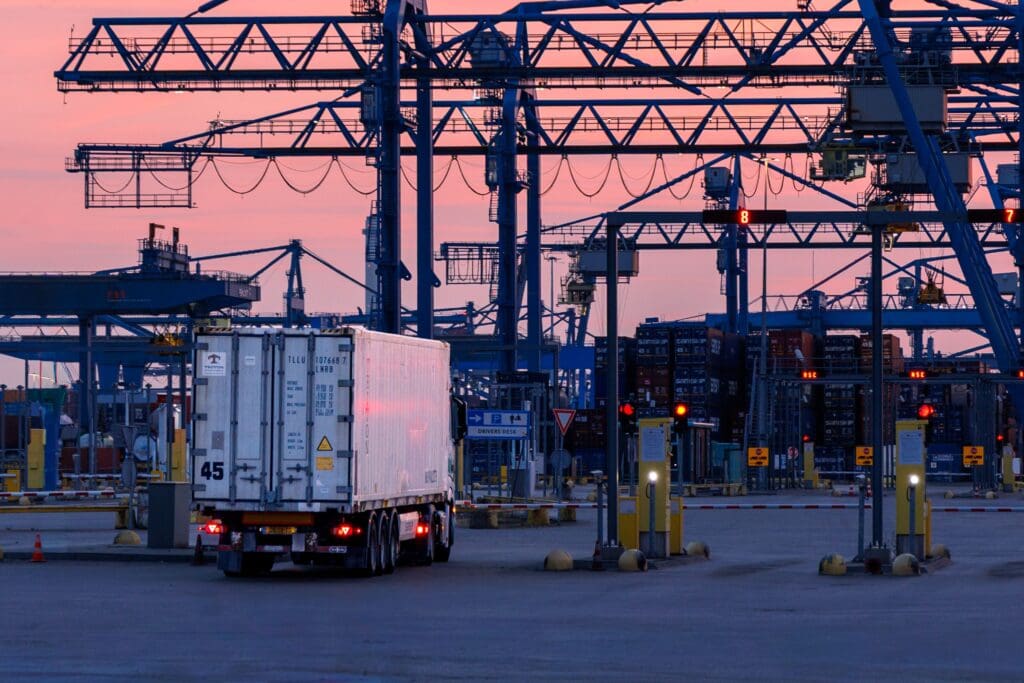
An ocean container arriving at a West Coast port may be nearing the end of its international journey, but it is only beginning the domestic portion of the supply chain. Before the freight reaches a distribution center, manufacturing facility, jobsite, or customer, several tightly connected moves may still be required.
Drayage retrieves the container from the port or rail terminal. Transloading transfers the cargo into domestic equipment when that approach makes operational and financial sense. Warehousing provides room to stage, store, sort, or manage inventory. Truckload transportation carries the freight to its next destination.
When these services are planned separately, importers can face missed appointments, poor visibility, unnecessary handling, and avoidable accessorial charges. When they are coordinated as one operating plan, the handoffs become easier to manage and the importer gains greater control over cost, timing, and inventory.
What is West Coast drayage?
Drayage is the short-distance movement of a shipping container between a marine terminal, rail ramp, container yard, warehouse, or nearby distribution facility. A drayage move may cover fewer miles than the truckload portion of the shipment, but it often requires the most precise coordination.
The container must be released and available. The pickup must align with terminal rules and appointments. A qualified driver and compatible chassis must be available. The receiving facility must also be prepared to unload the container or receive it for transloading.
Because several parties are involved, a delay at one point can affect every move that follows. Importers should plan drayage around the complete shipment—not as an isolated trip from the port.
What is transloading?
Transloading is the transfer of cargo from one type of transportation equipment to another. For imported freight, this commonly means unloading cargo from an international ocean container and reloading it into a domestic dry van, flatbed, or other truck suited for inland transportation.
The process can be simple, such as moving palletized products directly from a container into a dry van. It can also include sorting by purchase order, palletizing floor-loaded freight, inspecting products, labeling inventory, rebuilding damaged pallets, or dividing one container among several destinations.
Transloading adds a handling step, so it should serve a clear purpose. The value usually comes from improving the inland transportation plan, creating inventory flexibility, or reducing the amount of time an ocean container remains outside the terminal.
Direct container delivery or transloading: which is better?
Neither method is automatically better. The right choice depends on the final destination, unloading requirements, cargo configuration, delivery schedule, container free time, and the availability of domestic equipment.
Direct container delivery may make sense when:
Transloading may make sense when:
A complete comparison should include more than the quoted drayage and truckload rates. Importers should evaluate handling costs, storage, chassis usage, container return requirements, appointment constraints, expected dwell time, and the operational cost of a missed handoff.
Where warehousing fits into the import strategy
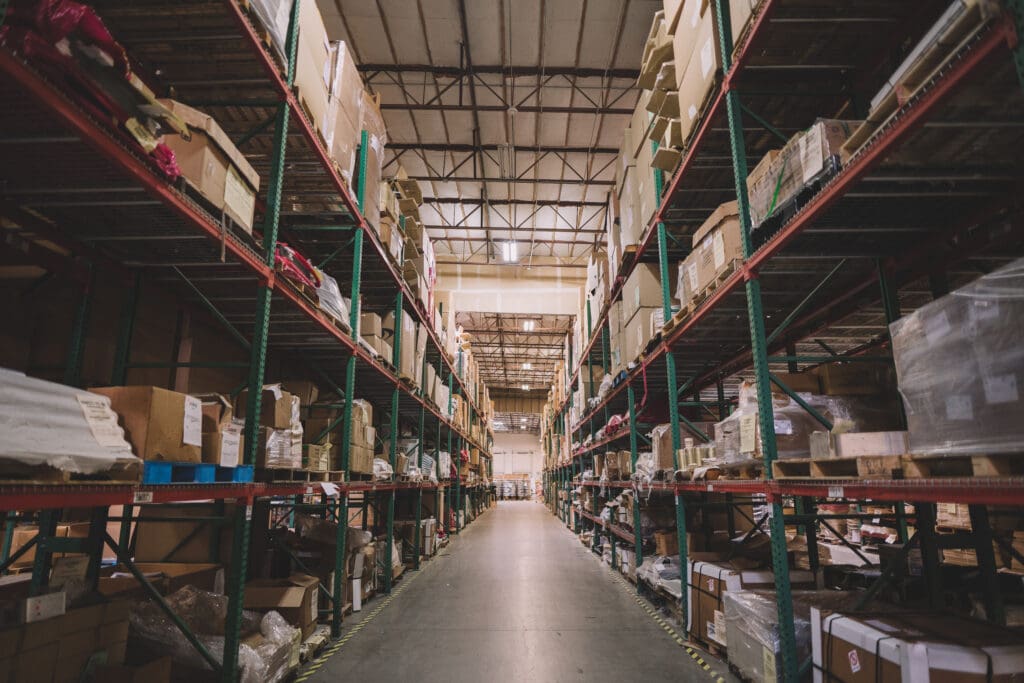
Not every imported shipment is ready to move directly from the port to its final destination. A warehouse can act as the connection between international transportation and the importer’s domestic distribution network.
Depending on the shipment, warehousing may support:
For businesses distributing throughout the Western United States, Reno can provide a useful inland position between California gateways and markets across Nevada, Northern California, the Pacific Northwest, and the Mountain West. Full Tilt Logistics operates more than 250,000 square feet of warehouse space in Reno/Sparks and coordinates transportation, transloading, inventory management, and distribution through the same logistics team.
The costs importers should plan around
The lowest linehaul rate does not always produce the lowest total cost. Import plans should account for the charges and operational risks that can appear between vessel arrival and final delivery.
Demurrage
Demurrage generally relates to containers or cargo remaining at a marine terminal beyond the applicable free-time period. Terminal availability, customs status, documentation, appointments, and pickup capacity can all affect how quickly cargo moves out of the terminal.
Detention
Detention generally applies when carrier equipment remains outside the terminal beyond the allowed period. A consignee that cannot unload promptly—or a transportation plan without a confirmed empty-return strategy—can create additional exposure.
Storage and handling
Transloading and warehousing introduce facility, labor, and material-handling costs. Those expenses should be compared with the flexibility gained through faster container returns, domestic transportation options, inventory staging, and multi-destination distribution.
Truck and driver waiting time
Port congestion, terminal appointments, warehouse delays, and slow unloading can create driver wait time. Clear appointments, accurate shipment information, and a prepared receiving team help protect the schedule.
The Federal Maritime Commission maintains current guidance and rules concerning detention and demurrage billing. Because contracts, tariffs, terminal practices, and individual shipments differ, importers should confirm the terms that apply to their cargo rather than relying on a general assumption about free time or responsibility.
How to build a smoother port-to-delivery plan
A reliable import plan is built before the container becomes urgent. The following information should be confirmed as early as possible:
The logistics provider should understand the entire route before dispatching the first truck. That visibility allows the team to sequence appointments, reserve appropriate equipment, communicate changes, and prevent one delayed handoff from surprising every party downstream.
Why a single logistics partner can simplify the process
An importer can hire separate companies for drayage, transloading, warehousing, and inland transportation. In some networks, that structure works well. In others, it creates several points where shipment information must be repeated, schedules must be reconciled, and responsibility can become unclear.
Working with one logistics partner can provide a single operating plan and one point of communication across the domestic portion of the shipment. The provider can coordinate the container pickup, confirm the transload requirements, manage temporary storage, arrange truckload capacity, and track the freight through final delivery.
The real advantage is not simply convenience. It is the ability to make decisions using the complete shipment picture. If a vessel schedule changes, a delivery appointment moves, or inventory needs to be held, the plan can be adjusted across each connected service instead of one vendor at a time.
West Coast import support from Full Tilt Logistics
Full Tilt Logistics helps importers coordinate container drayage, transloading, warehousing, and over-the-road transportation through a single team. Our company-owned chassis provide greater control over equipment availability, while our Reno/Sparks warehouse operation supports staging, storage, rework, inventory management, and distribution throughout the Western United States.
Whether your freight needs to move directly from the port, transfer into domestic equipment, or pause in Reno before regional distribution, the right plan begins with the full route.
Planning an upcoming import shipment?
Contact Full Tilt Logistics to discuss your needs and request a quote.