services
Full tilt services
News
about
About full tilt logistics
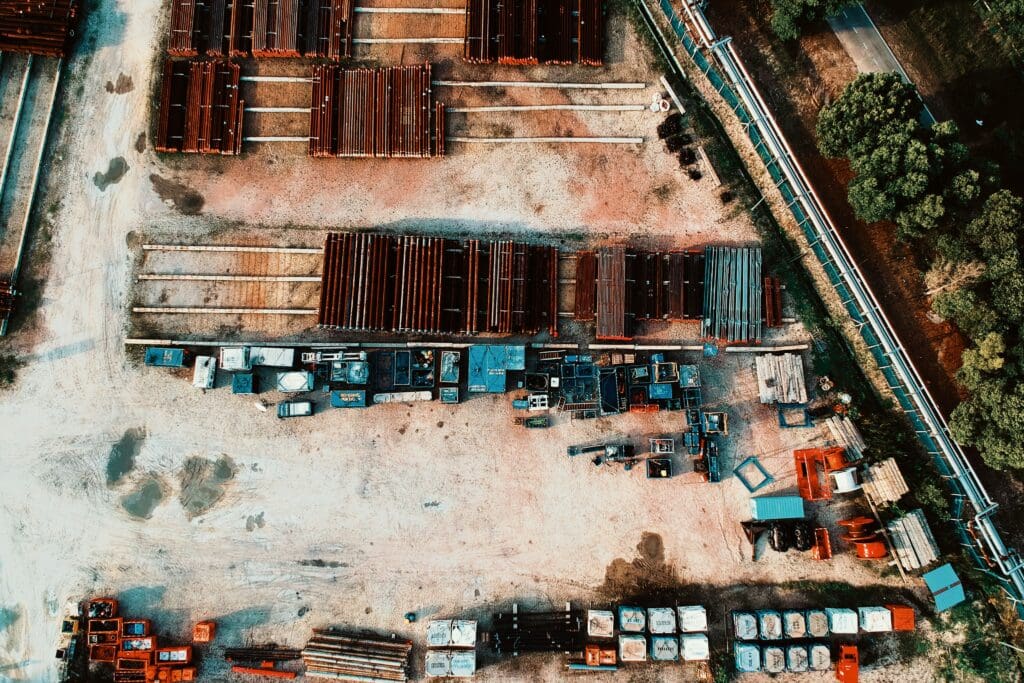
A generator weighing 60,000 pounds is ready to ship from the manufacturer. But the concrete pad where it will be installed won't be ready for another three weeks, and the jobsite has nowhere to store it.
What happens next?
For construction, energy, and data center projects, this is a common logistical challenge. Equipment often becomes available before the jobsite is ready to receive it. When manufacturing schedules, transportation timelines, and installation dates don't align, a laydown yard provides the space and coordination needed to keep a project moving.
Whether you're managing heavy equipment deliveries, coordinating multiple vendors, or preparing for a large-scale energy installation, understanding how laydown yard storage works can help you avoid unnecessary delays and keep your project on schedule.
A laydown yard is a designated outdoor storage and staging area where large equipment, materials, and project freight are received and held before delivery to their final destination. It serves as an intermediate location between the manufacturer, supplier, and jobsite.
Unlike a traditional warehouse, a laydown yard is designed to accommodate oversized, heavy, or difficult-to-handle freight that may not fit inside a conventional storage facility. Depending on the project, the yard may include graded surfaces, secure fencing, equipment staging areas, and access for cranes, forklifts, and specialized transportation.
Laydown yards are commonly used for construction, renewable energy, utilities, mining, and industrial projects where equipment must be delivered in a specific sequence.
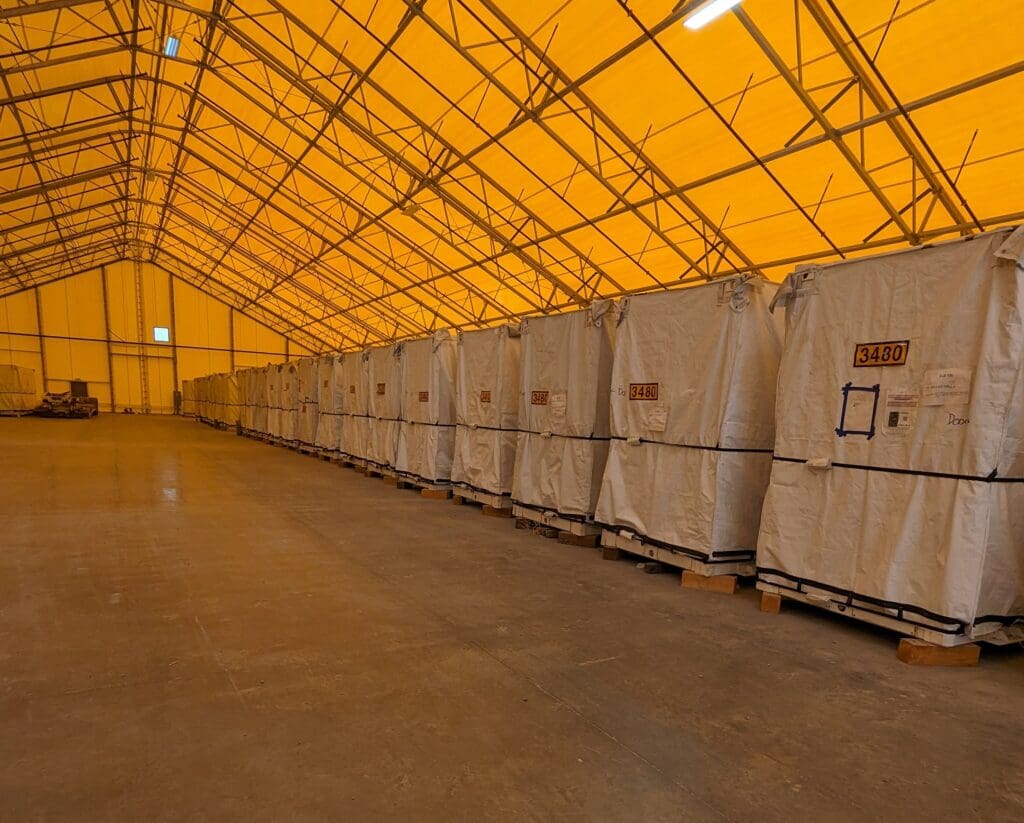
Laydown yards can accommodate a wide range of equipment and materials, depending on the site's ground conditions, handling capabilities, and available space.
Common examples include:
Many of these shipments require flatbeds, step-deck trailers, specialized unloading equipment, or coordinated crane services. A properly planned staging area helps ensure freight can be received, stored, and released safely when the project is ready.
Not every shipment requires temporary staging. However, a laydown yard can be especially valuable when equipment delivery dates don't match installation schedules.
Construction projects rarely progress on a perfectly predictable timeline. Foundations may need additional time to cure, access roads may still be under construction, or installation areas may not be ready for heavy equipment.
A laydown yard provides an alternative location to receive equipment until the jobsite can accommodate delivery.
Urban construction sites, active industrial facilities, and large infrastructure projects may have limited room for storing oversized equipment. Keeping materials on-site too early can interfere with other contractors, restrict access, and create unnecessary congestion.
Off-site staging gives project teams more control over when equipment arrives and how much space it occupies.
Large projects often involve equipment from several manufacturers, each operating on a different production and shipping schedule.
A centralized laydown yard can receive these shipments at different times, maintain organized inventory, and consolidate staging before equipment moves to the jobsite.
Some projects require equipment to arrive in a specific order. Delivering every component at once may create storage problems or complicate installation.
With a planned staging strategy, freight can be held and released according to construction milestones, helping coordinate deliveries with the crews and equipment needed to install each component.
Once equipment is manufactured and ready to ship, the supplier may not have the space or capacity to store it indefinitely. Delaying pickup can create additional coordination challenges and potentially affect production schedules.
A laydown yard provides a designated destination for completed equipment while the project team prepares for final delivery.
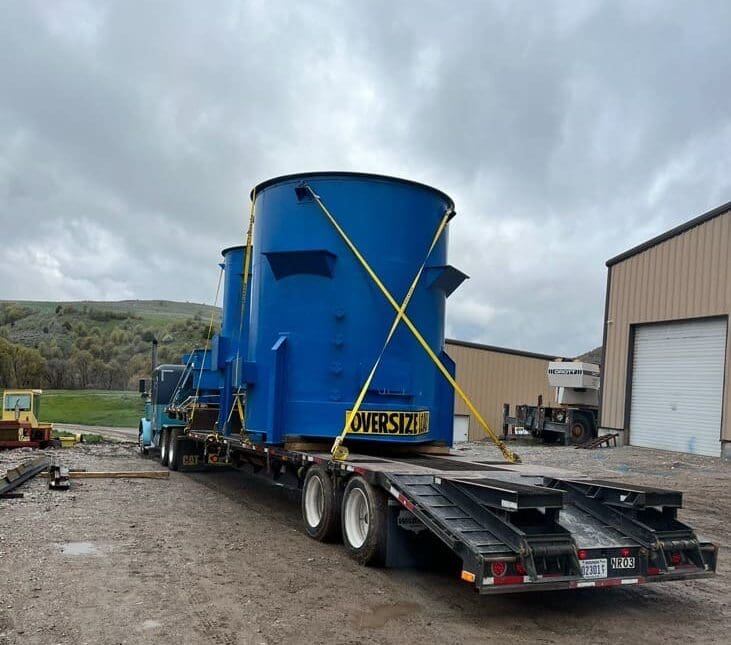
A successful laydown yard operation involves more than finding an available piece of land. It requires coordination between transportation providers, yard personnel, equipment handlers, and the project team.
A typical process includes four steps.
Step 1: Transportation to the yard
Equipment moves from the manufacturer or supplier to the designated laydown yard. Depending on the shipment, transportation may require flatbeds, step decks, specialized trailers, or oversized freight planning.
Step 2: Receiving and unloading
When the shipment arrives, the receiving team verifies the delivery and coordinates unloading with the appropriate equipment. Depending on the freight, this may involve cranes, forklifts, or other material-handling services.
Step 3: Staging and storage
Equipment is organized and stored until it is needed. Clear documentation and inventory tracking help project teams understand what has arrived, where it is located, and when it can be released.
Step 4: Scheduled delivery to the jobsite
When installation is ready, equipment is loaded and transported to its final destination. Coordinating this final leg with the construction schedule helps reduce unnecessary trips, congestion, and delivery delays.
The advantage is particularly significant when the yard is located near the jobsite. Instead of coordinating a long-distance shipment at the last minute, project teams can arrange final delivery based on actual installation needs.
Choosing the right laydown yard partner can make a meaningful difference in project efficiency. Before selecting a provider, consider the following factors.
Not every outdoor storage area can accommodate heavy equipment. Ask about ground conditions, load-bearing capacity, and any limitations that could affect the equipment being stored.
Determine who is responsible for unloading, repositioning, and reloading equipment. Confirm that the necessary cranes, forklifts, and handling services can be coordinated for your specific freight.
High-value equipment needs appropriate protection and documentation. Ask about fencing, controlled access, receiving procedures, inventory records, and shipment tracking.
Managing transportation and storage through separate providers can create communication gaps. A logistics partner that coordinates both services can help keep pickup, storage, and final delivery aligned.
Proximity to the jobsite and major highways can simplify transportation planning. For oversized freight, also consider route restrictions, permitting requirements, site access, and the feasibility of moving equipment from the yard to its final destination.
Some projects require a few weeks of storage, while others need staging support over several months or years. Make sure the provider can accommodate your project timeline, freight volume, and changing delivery requirements.
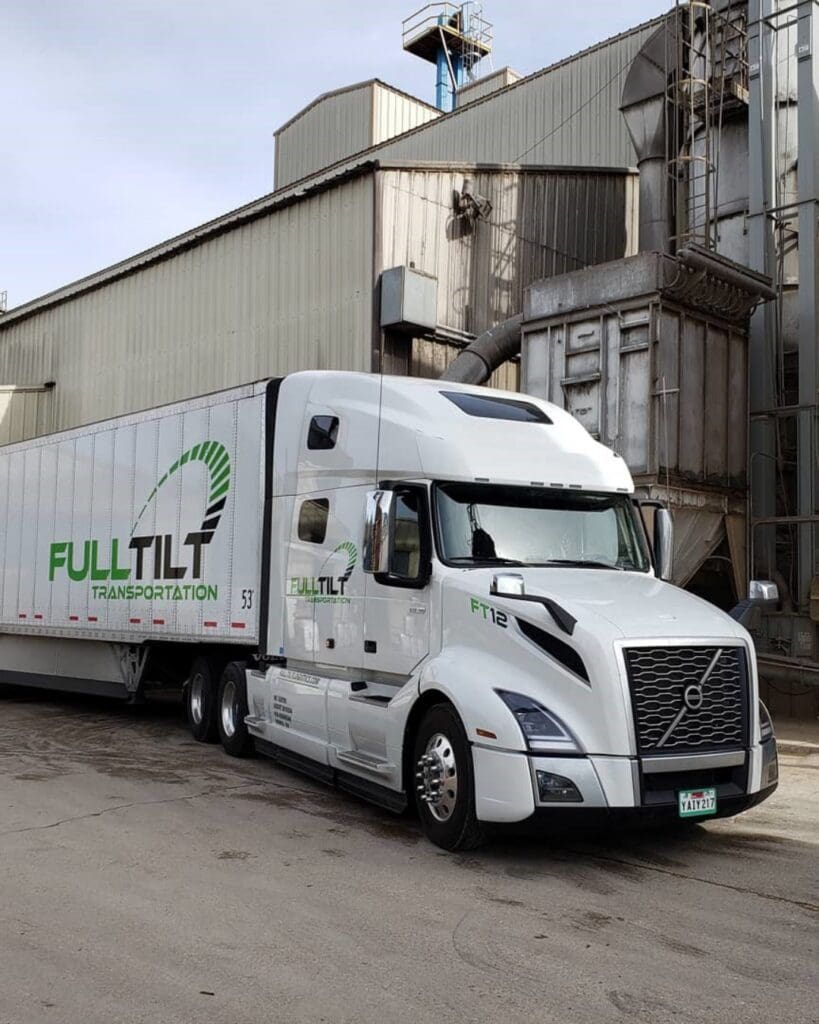
Full Tilt Logistics provides laydown yard storage in the Reno, Nevada, area along the I-80 corridor, along with off-site laydown support for projects across the country.
Our team has supported projects involving generator sets shipped in multiple pieces, battery energy storage units weighing up to 84,000 pounds, and 60-foot steel pipe moving to jobsites in Nevada and California. We have also coordinated staging for customers working across states including Arizona, Texas, Minnesota, Maryland, New Jersey, and New York.
For these projects, Full Tilt has provided laydown space alongside crane and material-handling coordination to help move equipment through each stage of the logistics process.
Our approach brings transportation, staging, and handling together under a coordinated plan. Rather than requiring project teams to manage separate vendors for every stage, we help connect the movement of freight from the manufacturer to the laydown yard and, ultimately, to the jobsite.
Whether your project involves renewable energy infrastructure, industrial equipment, construction materials, or other oversized freight, planning storage and transportation together can help simplify logistics and improve delivery coordination.
The best time to arrange a laydown yard is before equipment ships—not after it arrives and the jobsite isn't ready.
If your project involves long-lead equipment, multiple manufacturers, phased installation, or limited on-site storage, incorporating a staging plan early can help reduce logistical complications and keep materials moving according to schedule.
Need a place to stage heavy equipment before installation? Contact Full Tilt Logistics to discuss your project, transportation requirements, and laydown yard storage needs.
Contact Full Tilt Logistics to plan your next project.